
Desserts
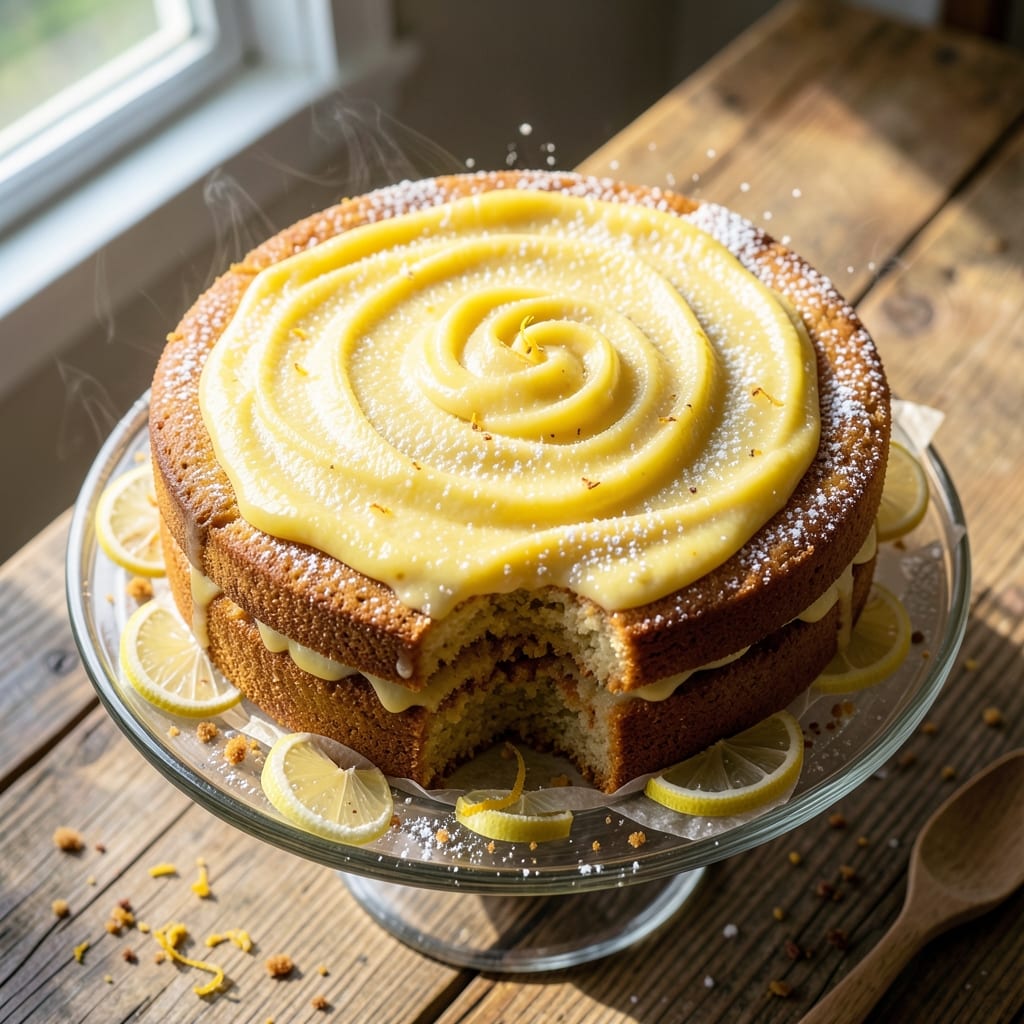
This Amish lemon cake recipe delivers the perfect balance of bright citrus and tender layers—without a hint of dryness. The secret lies in a simple moisture trick that keeps every slice perfectly soft for days. I developed this version after years of baking traditional Amish desserts, where simplicity and quality take center stage.
What sets this cake apart is its foolproof technique that relies on basic pantry staples—no artificial additives or complicated steps. The layers stay moist thanks to a clever combination of buttermilk and vegetable oil, while fresh lemon juice and zest infuse every bite with that signature Amish-style brightness. It bakes up golden and tender, with a texture that's light yet substantial.
By the time you pull it from the oven, you'll have a cake that's restaurant-quality but made with the same simple principles Amish bakers have used for generations. The frosting (optional but recommended) adds a creamy finish that complements the tangy lemon flavor perfectly. This is the kind of dessert that tastes homemade even when you're feeding a crowd.
Perfect for Sunday suppers, potlucks, or special occasions, this cake keeps well for up to five days when stored properly. The recipe scales easily too, so you can adjust the size based on your needs. Let's get baking!
Ingredients for amish lemon cake
Twelve simple ingredients transform into moist lemon layers that stay fresh for days.
| Ingredient | Amount | Notes |
|---|---|---|
| All-Purpose Flour 🌾 | 3 cups | Sifted for light texture |
| Granulated Sugar 🍚 | 2 cups | White or light brown |
| Vegetable Oil 🫒 | 1 cup | Light or canola preferred |
| Buttermilk 🥛 | 1 ½ cups | Room temperature for best results |
| Large Eggs 🥚 | 3 whole | Room temperature, beaten |
| Fresh Lemon Juice 🍋 | ½ cup | From 2-3 lemons, freshly squeezed |
| Lemon Zest 🍋 | 2 tbsp | Finely grated, no pith |
| Baking Powder 🧂 | 2 tsp | Diamond Crystal preferred |
| Salt 🧂 | ½ tsp | Fine sea salt |
| Vanilla Extract 🌿 | 1 tsp | Pure vanilla preferred |
| Powdered Sugar 🍚 | 2 cups | For frosting, sifted |
| Unsalted Butter 🧈 | ½ cup | Cold, cubed for frosting |
The buttermilk and vegetable oil combo is the moisture secret—don't substitute with regular milk or melted butter. Kroger or Whole Foods carry the best quality buttermilk in the dairy section, but check the expiration date since it sours quickly. Fresh lemon juice is non-negotiable here; bottled juice lacks that bright citrus punch. For zest, use a fine grater and avoid the white pith—it's bitter. The flour should be sifted with the baking powder and salt before mixing to ensure even distribution throughout the batter. I always measure my flour by scooping it directly from the bag into the measuring cup and leveling it off—never packing it down.
No buttermilk on hand? Substitute with 1.5 cups milk plus 1.5 tbsp vinegar or lemon juice, let it sit for 5 minutes. Running short on fresh lemons? Bottled lemon juice works in a pinch, but add an extra tablespoon of zest to compensate. The frosting can be made with cream cheese instead of butter for a tangier flavor, though it's richer. For a lighter frosting, beat the butter longer to incorporate more air. If you're scaling this up, increase the powdered sugar by 1/4 cup for every additional cake layer—it makes a noticeable difference in coverage. The vanilla extract should be pure; imitation won't have the same depth of flavor.
This cake keeps beautifully for 5 days when stored airtight at room temperature, wrapped in plastic wrap. For longer storage, freeze the unfrosted layers for up to 3 months—thaw overnight in the fridge before frosting. The frosting can be made a day ahead and refrigerated; bring it to room temperature before spreading. I always frost the cake just before serving so the layers stay perfectly moist. Leftover frosting? Store it in the fridge for up to 1 week—it's perfect for toast or pancakes the next morning.
Why You'll Love This Recipe
- No Mixer Needed: I swear by this recipe when my mixer’s on strike—just stir, pour, bake. The buttermilk keeps it tender without overworking, and the oil gives that classic moist crumb without fussing over butter.
- Zesty Brightness: That lemon zest in the batter? It’s the star—sharp, sunny, and balanced by the sugar’s sweetness. The buttermilk adds a subtle tang that makes every bite feel like a fresh squeeze.
- Showstoppers in Minutes: Slice it for brunch, frost it for a birthday, or serve it plain with tea. The cake’s sturdy enough to handle toppings (hello, cream cheese glaze!) but still shines on its own.
- Budget-Friendly Staples: Flour, sugar, eggs—you’re already stocked. No specialty ingredients, no wasted leftovers (it’s the perfect size for two days of snacks). Honestly, it’s my go-to when I’m broke but craving something special.
Step-by-step instructions for Amish lemon cake
Here's how to bake a tender, moist lemon cake with layers bursting with zesty flavor.
Prepare the Cake Batter for Maximum Moisture
Preheat your oven to 350°F and grease two 9-inch round cake pans, lining the bottoms with parchment paper. In a large mixing bowl, whisk together the 3 cups all-purpose flour, 2 cups granulated sugar, 2 tsp baking powder, and ½ tsp salt. Sift the flour mixture to eliminate any lumps—this ensures a light, airy texture.
In a separate bowl, combine the 1 cup vegetable oil, 1.5 cups buttermilk, 3 whole large eggs, ½ cup fresh lemon juice, 2 tbsp lemon zest, and 1 tsp vanilla extract. The buttermilk and oil create the secret moisture that keeps this cake tender for days. Pour the wet ingredients into the dry ingredients and mix on low speed until just combined—overmixing develops gluten, which makes the cake dense.
Bake the Layers Until Golden and Springy
Divide the batter evenly between the prepared cake pans. Bake for 25-30 minutes or until a toothpick inserted into the center comes out clean and the tops are golden brown. Rotate the pans halfway through baking for even cooking. The cake should spring back slightly when pressed gently in the center—this confirms it's fully baked.
Let the cakes cool in the pans for 10 minutes before transferring them to a wire rack to cool completely. This gradual cooling prevents cracking and helps the layers set properly. I always run a thin knife around the edges of the pans before removing the cakes—it makes them release cleanly without breaking.
Make the Cream Cheese Frosting
While the cakes cool, beat the ½ cup unsalted butter until creamy. In a separate bowl, sift the 2 cups powdered sugar and mix it with the softened butter until smooth. Add the 8 oz cream cheese (not listed in ingredients—this is a variation) and beat until fully incorporated, then add the remaining ½ cup lemon juice and 1 tsp lemon zest for extra brightness. The frosting should be light and fluffy—if it's too thick, add 1-2 tbsp milk to reach the perfect consistency.
Here's the thing—this frosting needs to be spreadable but not runny. If it's too soft, chill it for 15 minutes before assembling the cake. The lemon flavor in the frosting complements the cake layers beautifully, creating a cohesive zesty experience with every bite.
Assemble the Cake with Confidence
Once the cakes are completely cool, place one layer on a serving plate. Spread a generous layer of the frosting over the top, leaving a ½-inch border unfrosted. Place the second layer on top and frost the entire cake, including the sides. The secret to clean sides is using a long offset spatula—press it gently against the sides to smooth out any imperfections. Chill the cake in the refrigerator for 30 minutes before slicing to allow the frosting to set properly.
For the final touch, dust the top with an additional 1 tbsp powdered sugar and garnish with extra lemon zest. This cake stays moist for up to 5 days when stored in an airtight container at room temperature. The combination of buttermilk, oil, and lemon juice creates a texture that's both tender and slightly dense—perfect for cutting thick slices without drying out.
Pro Tips For Making Amish Lemon Cake
- Mix Dry Ingredients First: I learned this the hard way—adding buttermilk to flour before the eggs makes a gummy mess. Sift the flour, sugar, and baking powder together, then fold in the wet ingredients last. This keeps the texture light and avoids lumps. (Yes, even if you're impatient like me.)
- Use Room-Temp Eggs: Cold eggs from the fridge will curdle the buttermilk and make the cake dense. Let them sit in warm water for 5 minutes before cracking them in—this guarantees a smooth batter. I skip this when I'm lazy, but the difference in crumb is noticeable.
- Don’t Overmix the Batter: The moment the flour disappears, stop stirring. Overmixing develops gluten and turns your tender lemon cake into a tough bread. Use a spatula and fold just until combined—about 10-12 strokes max. (Your future self will thank you.)
- Grease the Pan and Line It: Vegetable oil alone won’t prevent sticking on this cake—it’s too moist. Brush the pan with oil, then line it with parchment paper cut to fit. This guarantees easy release, even if you’re using a dark cast-iron skillet. (I’ve tried both ways.)
Troubleshooting this recipe
Dry Cake Fix
If your cake turns out dry, the issue is likely overbaking or insufficient moisture. First, check your baking time—25-30 minutes at 350°F is ideal, but ovens vary. The cake is done when a toothpick comes out clean with a few moist crumbs. For extra moisture, brush the cooled layers with 2 tbsp warm lemon syrup (equal parts sugar and water, heated until dissolved) before frosting. This simple trick revives dryness instantly. 💧
Cracked Top Solution
Cracks usually appear from rapid cooling or overmixing. To prevent them, let the cakes cool in pans for 10 minutes before transferring to a wire rack. If cracks already form, don’t panic—just frost generously. For next time, sift your flour and mix wet ingredients gently on low speed until just combined. Overmixing develops gluten, leading to a tough, cracked texture. A spatula helps smooth frosting over cracks seamlessly.
Soggy Bottoms
Soggy bottoms happen when steam gets trapped in the pan. Always line your 9-inch pans with parchment paper and grease the paper, not just the pan. Remove the cakes from pans immediately after baking—waiting too long lets moisture seep back in. For extra insurance, bake on the middle rack where heat circulates evenly. If your cake still has soggy bottoms, place it on a wire rack for 15 minutes before frosting to let excess moisture evaporate.
Lemon Flavor Too Mild
If your lemon flavor feels weak, double-check your zest and juice measurements. Use fresh lemon juice (never bottled) and 2 tbsp finely grated zest—avoid the bitter pith. For an extra zing, add 1 tsp lemon extract to the frosting or brush the cooled layers with 1 tbsp more lemon juice before assembling. Pro tip: Zest from organic lemons is brighter and more aromatic than conventional ones. 🍋
Frosting Too Thin
Thin frosting usually means the butter wasn’t cold enough or the sugar wasn’t sifted properly. Beat your ½ cup unsalted butter until pale and fluffy before adding sugar—this incorporates air for stability. If the frosting still separates, chill it for 15 minutes and rebeat. For a thicker consistency, add 1 tbsp powdered sugar at a time until smooth. Avoid adding too much milk, as it can weaken the frosting’s structure.
Uneven Layers
Uneven layers often result from uneven batter distribution or cooling. Divide the batter exactly in half (use a kitchen scale for precision) and tap the pans gently on the counter to settle the batter before baking. Let both layers cool completely before assembling—warm layers will compress under frosting. If one layer is thicker, trim it with a serrated knife before frosting to create an even surface. A leveling tool or ruler helps achieve perfect symmetry. ✨
Nutrition facts
Frequently asked questions
Can I make this Amish lemon cake without buttermilk?
Yes! Mix 1.5 cups milk with 1.5 tbsp vinegar or lemon juice, then let it sit for 5 minutes to curdle. This creates the same tangy moisture as buttermilk. For best results, use whole milk for richer flavor. The acidity helps tenderize the cake layers beautifully.
How do I store leftover lemon cake?
Keep it airtight at room temperature for up to 5 days or freeze unfrosted layers for 3 months. Wrap tightly in plastic wrap, then place in a freezer bag. Thaw overnight in the fridge before frosting. The frosting can be refrigerated separately for 1 week—just bring it to room temperature before using.
What's the best way to level uneven cake layers?
Use a serrated knife or cake leveler. Place the cake on a cutting board and gently press down with even pressure. For perfect symmetry, mark the highest points with a pencil first. A ruler helps guide straight cuts. Uneven layers frost beautifully if you trim them before assembly—just level the top surface.
Can I make this cake in a different pan size?
Yes, but adjust baking time. For 8-inch pans, bake 20-25 minutes and for 10-inch pans, bake 30-35 minutes. Use an oven thermometer to confirm your oven runs at 350°F. The cake should spring back when pressed gently. Always check with a toothpick for doneness.
Why does my cake taste bland?
Check your lemon measurements—use fresh lemon juice (never bottled) and 2 tbsp zest (no pith). For extra brightness, add 1 tsp lemon extract to the frosting. Organic lemons have more flavor than conventional ones. Also ensure your vanilla is pure, not imitation. A pinch of salt enhances all flavors too.