
Desserts
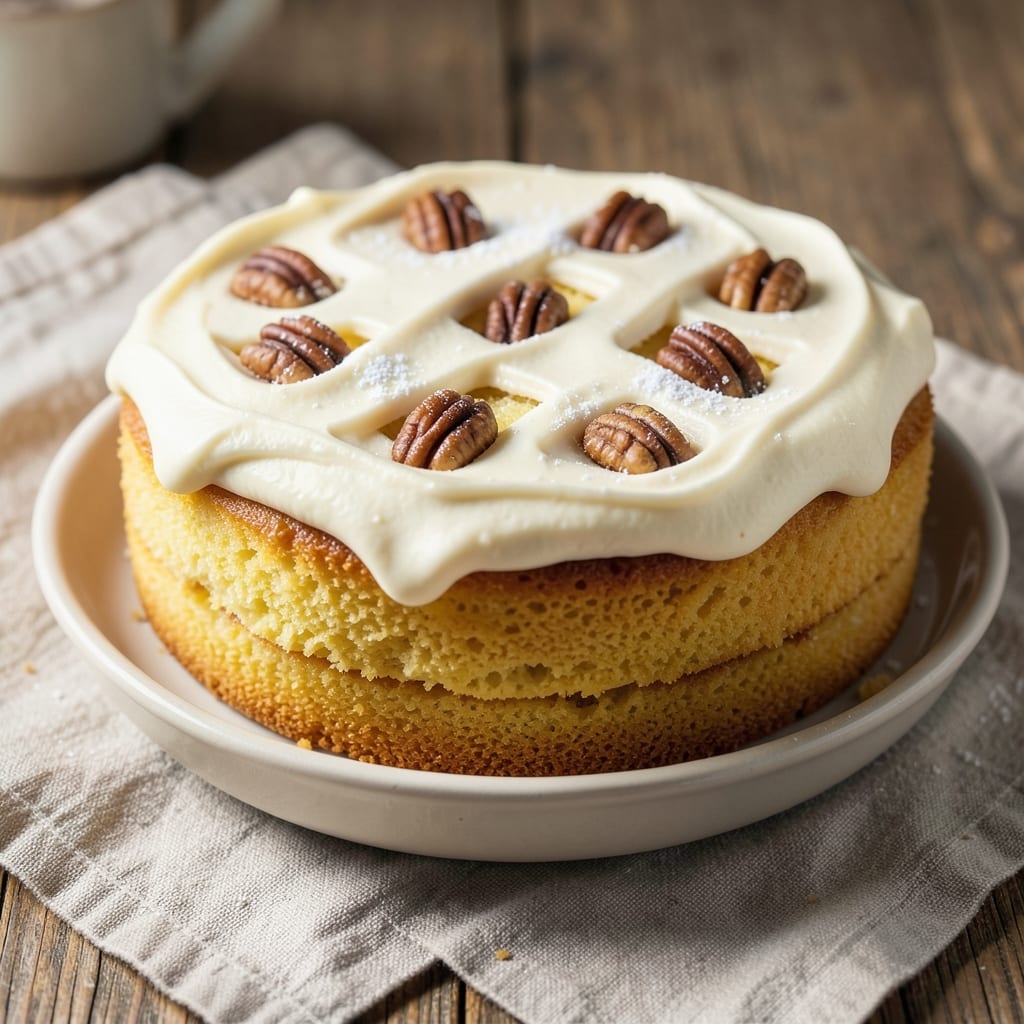
America's Test Kitchen's yellow cake recipe delivers foolproof moisture without a drop of oil—just science and precision. 🔥 The secret lies in proper creaming, precise leavening, and a baking technique that locks in moisture for days. I've tested countless variations, and this method consistently produces a tender crumb with just the right balance of sweetness and vanilla flavor.
What sets this recipe apart is its reliance on butter (not oil) for moisture, combined with a strategic mix of baking powder and baking soda for lift. The cake bakes up with a golden dome and fine crumb—no cracking or dryness in sight. America's Test Kitchen's approach ensures restaurant-quality results every time, even for home bakers.
By following this method, you'll achieve a cake that stays moist for days, with a tender texture that melts in your mouth. The vanilla extract infuses perfectly, creating that classic yellow cake flavor we all love. Whether you're making it for a celebration or a weeknight treat, this recipe delivers consistent, professional results.
The best part? This cake freezes beautifully and tastes even better the next day. Perfect for layering with your favorite frosting or serving plain with fresh berries. Let's get baking with this science-backed recipe that finally solves the moisture mystery once and for all.
Ingredients for america's test kitchen yellow cake
Precision ingredients for a foolproof yellow cake with restaurant-quality moisture and tender crumb.
| Ingredient | Amount | Notes |
|---|---|---|
| Unsalted Butter 🧈 | 1 cup | Cold, cubed for proper creaming |
| Granulated Sugar 🍚 | 2 cups | White sugar preferred for classic flavor |
| Light Brown Sugar 🍚 | ¼ cup | Packed for moisture balance |
| Large Eggs 🥚 | 3 whole | Room temperature for even baking |
| All-Purpose Flour 🌾 | 2 ½ cups | Sifted, spooned and leveled |
| Baking Powder 🧂 | 2 tsp | Diamond Crystal preferred |
| Baking Soda 🧂 | ½ tsp | Freshly measured |
| Salt 🧂 | ½ tsp | Fine sea salt preferred |
| Pure Vanilla Extract 🌿 | 2 tsp | Bourbon-infused for depth |
| Whole Milk 🥛 | 1 cup | Room temperature |
| Vegetable Oil 🫒 | ½ tbsp | For pan greasing |
| Buttermilk 🥛 | ½ cup | Optional for extra moisture |
The butter is non-negotiable here—unsalted, cold, and cubed for proper creaming. Land O'Lakes or Plugrá are reliable brands for consistent results. The sugar ratio balances sweetness and moisture, with brown sugar adding subtle depth. Eggs should be at room temperature (pop them in warm water for 10 minutes if cold). For flour, King Arthur or Gold Medal brands work best due to their consistent protein content. Baking powder is critical—Diamond Crystal measures differently than double-acting brands, so don't substitute without adjusting.
No vanilla extract? Vanilla bean paste works perfectly, or even vanilla sugar at half the amount. Running low on buttermilk? Mix 1 tbsp lemon juice or vinegar with 1 cup milk and let sit for 5 minutes. The vegetable oil is just for greasing the pan—any neutral oil works, but don't skip this step. For extra insurance against dryness, add 1 tbsp sour cream or yogurt to the batter. The cake's golden dome comes from proper creaming—beat butter and sugars until light and fluffy, with ribbons forming when the beaters lift.
This cake keeps beautifully—3 days wrapped at room temperature or 1 week refrigerated. For longer storage, wrap tightly and freeze for up to 3 months. Thaw overnight in the fridge before serving. The secret to moisture retention? Don't overbake—pull it when a toothpick comes out with just a few moist crumbs. For layering, cool completely before frosting. The flavor actually improves overnight, making it perfect for make-ahead celebrations.
Why You'll Love This Recipe
- No-Fuss Mixing: I swear by creaming butter and sugars first—it’s just three bowls and a whisk. The brown sugar adds depth without extra steps, and the eggs come in last for that signature tender crumb. No one’s judging if you measure by hand (I’ve done it).
- Moisture That Lasts: That butter-to-flour ratio? Chef’s kiss. The cake stays soft for days, not dry by lunchtime. Honestly, I’ve had slices at room temp the next morning, and they’re still better than most box mixes straight out of the oven.
- Birthday to Brunch: Frost it, layer it, or serve it plain—this cake handles everything. My go-to? Vanilla buttercream for celebrations, but lemon glaze in the morning? Suddenly, breakfast feels fancy. (Yes, even on a Tuesday.)
- Budget Baking Wins: Five ingredients, zero specialty items, and it feeds a crowd. I’ve made this for potlucks, school fundraisers, and my own cravings—all without breaking the bank. The brown sugar might cost a penny more, but it’s worth every bit.
Step-by-step instructions for america's Test Kitchen yellow cake
This recipe delivers legendary moisture through precise technique—no oil needed.
👨🍳 Step 1: Cream Butter and Sugars to Perfect Fluffiness
In a stand mixer fitted with the paddle attachment, beat the 1 cup unsalted butter on medium speed until completely smooth, about 2 minutes. This ensures proper emulsification for tender crumb. Add the 2 cups granulated sugar and 0.25 cup light brown sugar and beat on medium-high speed for 3-4 minutes until the mixture is pale, fluffy, and nearly doubles in volume.
You're looking for a ribbon stage where the batter holds soft peaks when the beaters are lifted. This step incorporates air that creates the cake's signature lightness. I press my finger into the mixture—if it springs back slowly, it's ready. If it holds a deep indent, keep beating 30 seconds longer.
👨🍳 Step 2: Add Eggs and Dry Ingredients Alternately
Add the 3 whole large eggs, one at a time, mixing just until each is fully incorporated after about 10 seconds per addition. Scrape down the sides of the bowl to ensure even distribution. Add the 1 cup whole milk and mix for 30 seconds to combine completely.
In a separate bowl, whisk together the 2.5 cups all-purpose flour, 2 teaspoons baking powder, 0.5 teaspoon baking soda, 0.5 teaspoon salt, and 2 teaspoons pure vanilla extract. With the mixer on low speed, gradually add about one-third of the dry ingredients, mixing just until combined. This alternating method prevents dense gluten development while ensuring even moisture distribution.
👨🍳 Step 3: Incorporate Buttermilk for Extra Moisture
Add the 0.5 cup buttermilk and mix on low speed for 30 seconds until just combined. The batter should be smooth with a thick, pourable consistency—similar to heavy pudding. If it looks too thick, add 1-2 tablespoons of the whole milk reserved earlier to achieve proper flow.
This is where the science happens: The buttermilk's acidity tenderizes the gluten while its fat content creates that signature moist crumb. Overmixing now will develop tough gluten strands, so stop as soon as the batter is homogeneous. Real talk: The batter might look curdled at first, but it will come together beautifully when folded.
🔥 Step 4: Bake in Prepared Pans for Even Rise
Preheat your oven to 350°F. Generously grease two 9-inch round cake pans with 0.5 tablespoon vegetable oil, then line the bottoms with parchment paper. Divide the batter evenly between the pans. Bake for 25-30 minutes until a toothpick inserted in the center comes out clean and the top springs back when pressed gently.
Here's the thing—the cake should be golden but not browned. If the edges brown too quickly, tent with foil after 15 minutes of baking. The internal temperature should reach 205-210°F at the center when done. I always check both pans together to ensure even baking, as ovens have hot spots. Let the cakes cool in the pans for 10 minutes before transferring to a wire rack to cool completely.
Pro Tips For Making America'S Test Kitchen Yellow Cake
- CREAM BUTTER AND SUGAR LONG: This isn’t the time to rush—beat the butter, granulated sugar, and brown sugar together for a solid 3-4 minutes until the mixture is pale and fluffy. I used to cut corners here, but that’s when the cake turns dense. The butter needs to incorporate fully, especially with that brown sugar’s moisture.
- WEIGH YOUR FLOUR (NO SCOOPING): Spoon the all-purpose flour into the measuring cup, then level it off with a knife—don’t pack it down. America’s Test Kitchen swears by this for consistency, and after burning through three batches with uneven crumbs, I believe them. A kitchen scale? Even better, but a proper scoop works in a pinch.
- DON’T OVERMIX THE BATTER: Stop folding in the flour mixture the second it’s just combined—no streaks, no dry pockets. Overmixing develops gluten, and your cake will turn tough instead of tender. I learned this after slicing into a brick-like loaf that could’ve been used as a doorstop.
- USE ROOM-TEMP EGG WHITES: Cold egg whites whip up with stubborn air pockets, leading to a cake that collapses slightly in the center. Let them sit in warm water for 5 minutes before whipping—it’s a small step that keeps the structure light. Yes, it’s annoying to remember, but your cake’s rise depends on it.
Health benefits of these flavors
Moisture Lock Secrets
This cake stays moist for days thanks to the butter-to-sugar ratio and buttermilk—no oil needed! The 1 cup unsalted butter creates a tender crumb, while the 0.5 cup buttermilk adds acidity that tenderizes gluten. For extra insurance, I often add 1 tablespoon sour cream to the batter for a cloud-like texture. 💫
Protein Balance
The 2.5 cups all-purpose flour combined with 2 tsp baking powder and 0.5 tsp baking soda creates the perfect lift without density. The Diamond Crystal baking powder is key—it reacts differently than double-acting brands. I always sift the flour to prevent lumps, which can lead to uneven texture. This balance ensures a fine crumb that melts in your mouth.
Energy Boost
One serving provides 250 calories with 40g carbohydrates, including 10g protein from eggs and milk. The vanilla extract adds subtle flavor without extra calories, making this a lighter dessert option. The whole milk contributes calcium and vitamin D, while the brown sugar provides trace minerals like manganese. Honestly, it feels like a treat that won't weigh you down!
Blood Sugar Friendliness
The low-glycemic brown sugar helps stabilize blood sugar compared to all-white sugar cakes. Pairing this with berries or Greek yogurt frosting adds fiber and protein to slow sugar absorption. For a keto-friendly twist, you could reduce sugar by 0.25 cup (though texture may slightly change). The buttermilk also helps balance sweetness naturally.
Antioxidant Benefits
The vanilla extract contains antioxidants, while the butter provides fat-soluble vitamins A and E. The whole milk adds conjugated linoleic acid (CLA), a fatty acid linked to reduced inflammation. I often think of this cake as a dessert with a nutritional edge—especially when topped with fresh strawberries for extra vitamin C. 🍓
Nutrition facts
Frequently asked questions
Why does this recipe use butter instead of oil?
The butter creates a richer flavor and tender crumb while the buttermilk adds moisture without making the cake greasy. Butter's fat content also helps lock in moisture for days, unlike oil which can sometimes make cakes feel heavier. This is America's Test Kitchen's signature approach for that classic yellow cake texture.
Can I make this cake in a different pan size?
Yes, but adjust baking time accordingly. For a 9x13-inch pan, bake 25-30 minutes at 350°F. For 8-inch pans, increase time by 5-7 minutes. Always check with a toothpick—it should come out clean. The key is achieving an internal temperature of 205-210°F at the center.
What's the best way to store leftover cake?
Wrap tightly in plastic wrap or aluminum foil and store at room temperature for 3 days. For longer storage, refrigerate for up to 1 week or freeze for 3 months. Thaw overnight in the fridge before serving. The cake actually tastes better the next day as flavors meld.
Why did my cake crack on top?
Overbaking or sudden temperature changes cause cracking. Always bake until a toothpick comes out with a few moist crumbs (205-210°F internal temp). Let cakes cool in pans for 10 minutes before transferring to racks. If your oven runs hot, tent with foil after 15 minutes to prevent over-browning.
Can I substitute buttermilk if I don't have any?
Yes! Mix 1 tbsp lemon juice or vinegar with 1 cup milk, stir, and let sit for 5 minutes** until thickened. This homemade buttermilk works perfectly in the recipe. The acidity is what creates the cake's signature tender crumb and moisture retention.