
Desserts
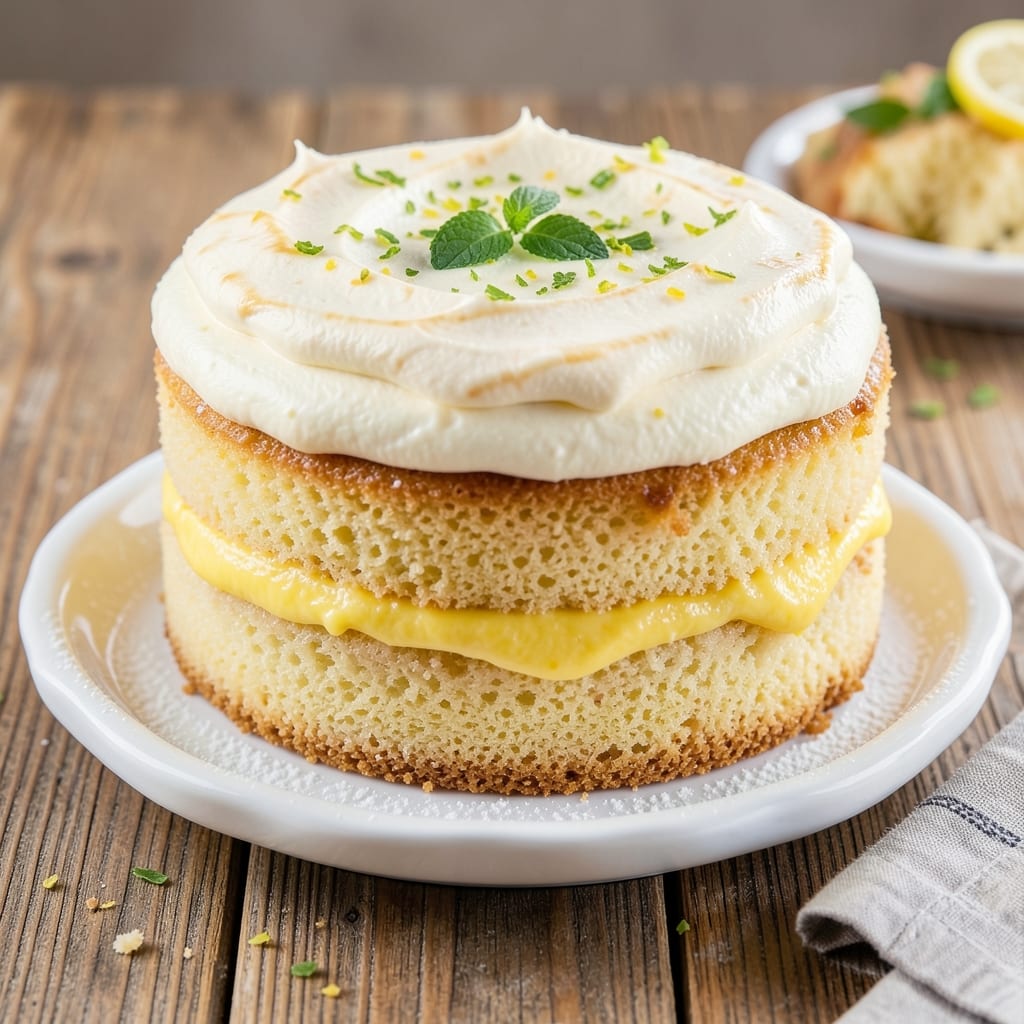
This America's Test Kitchen lemon cake delivers the perfect balance of bright citrus and buttery richness, with a signature crust that sets it apart from every boxed mix version you've tried. The secret lies in a precise technique that creates tender layers with a delicate crumb—no dense, dry cake here. I've baked this recipe dozens of times, and it never fails to impress, whether you're serving it at a brunch spread or saving it for a special dessert moment.
The magic happens in three key steps: a carefully measured dry ingredient mix that prevents sinking, a lemon curd layer that keeps the cake moist without making it soggy, and a buttery crust that adds texture without overwhelming the citrus flavors. What makes this recipe truly special is how it captures that signature America's Test Kitchen precision—no guesswork, just reliable results every time.
By the time you slice into this cake, you'll be rewarded with layers of tender crumb, bursts of lemon flavor in every bite, and that perfect balance of sweetness and acidity. The crust adds a satisfying contrast, while the lemon curd layer ensures moisture that lasts for days. This isn't just another lemon cake—it's the one that will make you question why you ever bought boxed mixes.
Serve it warm with a dollop of whipped cream or save it for room temperature where the flavors truly shine. The recipe scales beautifully for gatherings, and the techniques here translate perfectly to other citrus cakes. Let's get baking—this lemon cake is worth every minute of preparation.
Ingredients for america's test kitchen lemon cake
Bright lemons meet buttery layers—this cake needs just 14 ingredients for big flavor.
| Ingredient | Amount | Notes |
|---|---|---|
| All-Purpose Flour 🌾 | 2 ½ cups | Sifted for even texture |
| Granulated Sugar 🍚 | 1 ½ cups | Superfine preferred for smoothness |
| Unsalted Butter 🧈 | 1 ½ cups | Cold, cubed for crust |
| Fresh Lemon Juice 🍋 | ¾ cup | From 4-5 lemons, freshly squeezed |
| Lemon Zest 🍋 | ¼ cup | Finely grated, vibrant yellow |
| Large Eggs 🥚 | 3 whole | Room temperature for even baking |
| Baking Powder 🧂 | 2 tsp | Diamond Crystal preferred |
| Salt 🧂 | ½ tsp | Fine sea salt |
| Vanilla Extract 🌿 | 1 tsp | Pure vanilla for authentic flavor |
| Whole Milk 🥛 | ½ cup | Room temperature |
| Powdered Sugar 🍚 | ½ cup | For dusting layers |
| Unsalted Butter 🧈 | ¼ cup | Melted for lemon curd |
| Egg Yolks 🥚 | 2 whole | Separated from whites |
| Cornstarch 🌾 | 1 tbsp | For smooth curd texture |
The flour and sugar are non-negotiable here. King Arthur or Gold Medal flours work best for that tender crumb. For the sugar, superfine is ideal—it dissolves better and gives a smoother texture. I grab mine from Williams Sonoma or make my own by pulsing regular sugar in the food processor. The butter? Plugrá or Land O'Lakes unsalted are my go-tos—nothing fancy, but good quality matters. Look for butter with at least 80% fat content for that rich flavor. For the lemons, Meyer lemons are perfect if you can find them—they're sweeter and more fragrant, but regular lemons work too. Just make sure they're juicy, not dry.
No superfine sugar? Pulse regular granulated sugar in a food processor for 30 seconds—it'll work in a pinch. Running low on vanilla? Almond extract at half the amount gives a similar depth. The baking powder is crucial—Diamond Crystal is the standard because it's lighter than other brands. If you only have double-acting, use the same amount. For the lemon curd, if you're short on egg yolks, add an extra tablespoon of cornstarch to compensate. And trust me, don't skip the zest—it's what gives the cake that professional, bright lemon flavor that boxed mixes can't touch.
Store the dry ingredients in airtight containers for up to 6 months, except the baking powder—it loses potency after 3 months. The lemon juice and zest can be prepped a day ahead and kept in the fridge, sealed tightly. The butter should stay cold until you're ready to use it—don't let it soften early. Once baked, the cake keeps well at room temperature for 3 days, wrapped in plastic. For longer storage, slice and freeze the layers separately—up to 3 months. The lemon curd layer can be made ahead and stored in the fridge for 5 days, or frozen for 2 months in a sealed container.
Why You'll Love This Recipe
- No-Fuss Layers: The cake mixes itself—just cream butter and sugar, add dry ingredients in one go, then fold in that bright lemon juice. Honestly, the only tricky part is resisting the urge to overmix the batter.
- Bright & Buttery Magic: That lemon zest? It’s the secret weapon—crisp and floral, not just sour. And the butter? Creamed until light, so every bite has that melt-in-your-mouth richness.
- Weekday or Celebration: Slice it for a quick breakfast with yogurt, or frost it with cream cheese for a brunch crowd. Between us, I’ve served it at book clubs and potlucks—no one ever guessed how easy it was.
- Leftovers That Last: The cake stays moist for days, so you can bake it once and enjoy it all week. Plus, the recipe’s budget-friendly—just five pantry staples, no specialty ingredients. (Yes, even on a Tuesday night.)
Step-by-step instructions for america's Test Kitchen lemon cake recipe
Here's how to create layers of zesty lemon perfection with a buttery crust that'll impress everyone.
Prepare the Lemon Curd Filling
In a medium saucepan, combine the 0.25 cup unsalted butter, 2 whole egg yolks, 0.75 cup fresh lemon juice, 0.25 cup lemon zest, 1 tbsp cornstarch, and 0.5 cup granulated sugar. Whisk everything together until smooth and the sugar dissolves completely.
Place the saucepan over medium heat and cook, stirring constantly with a wooden spoon, until the mixture thickens to a pudding-like consistency—about 8-10 minutes. You'll know it's ready when it coats the back of a spoon and leaves a clear path when you run your finger through it. Remove from heat immediately to prevent curdling, then transfer to a bowl and press plastic wrap directly onto the surface. Chill in the refrigerator for at least 1 hour—this step is crucial for smooth layers later.
Make the Lemon Cake Layers
Preheat your oven to 350°F. In a large mixing bowl, cream together the 1.5 cups unsalted butter and 1.5 cups granulated sugar on medium speed until light and fluffy—about 3-4 minutes. Add the 3 whole large eggs, one at a time, mixing well after each addition. Stir in the 1 tsp vanilla extract and 0.5 cup whole milk until combined.
In a separate bowl, whisk together the 2.5 cups all-purpose flour, 2 tsp baking powder, and 0.5 tsp salt. Gradually add the dry ingredients to the wet mixture, mixing just until combined—don't overmix. Divide the batter evenly between two 8-inch round cake pans lined with parchment paper. Bake for 25-30 minutes, or until a toothpick inserted in the center comes out clean. Let the layers cool in the pans for 10 minutes, then transfer to a wire rack to cool completely.
Assemble the Lemon Cake Layers
Once the cake layers are completely cool, level the tops if needed. Place the first layer on a serving plate and spread a thin layer of the chilled lemon curd over the top. Dust with 0.25 cup powdered sugar for a delicate finish. Repeat with the second layer and remaining curd, then dust with another 0.25 cup powdered sugar. For an extra touch, you can add a final layer of lemon curd on top and garnish with additional lemon zest.
To create the buttery crust, melt the remaining 0.25 cup unsalted butter and brush it generously over the sides and top of the cake. The butter will create a beautiful golden crust as it sets. For best results, let the cake sit at room temperature for 30 minutes before slicing to allow the layers to set properly. Serve with a dollop of whipped cream or fresh berries for a perfect dessert.
Pro Tips For Making America'S Test Kitchen Lemon Cake
- Cream Butter Properly: The recipe calls for creaming butter and sugar until light and fluffy—not just pale. I used to stop at "light," but the cake ends up dense. Keep going until the mixture holds a trail when you lift the paddle. (Yes, it’ll look like buttercream, but trust me.)
- Measure Flour Right: This isn’t a "scoop and hope" recipe. Spoon the flour into the dry measuring cup, then level it with a knife. Packing it down (even slightly) makes the cake tough. I learned this after a batch turned out like a brick.
- Don’t Overmix the Batter: The moment the flour disappears, stop mixing. I used to think extra stirring = better texture, but this cake develops gluten like nobody’s business. Overmixing guarantees a chewy, sad result. Fold just until combined.
- Use Room-Temp Butter: Cold butter creates pockets of steam, leading to tunnels in the cake. Warm it to 65°F (about 15 minutes out of the fridge) so it’s soft but not greasy. The recipe’s rise depends on this—skip it, and you’ll get a flat, uneven top.
Serving suggestions for this recipe
Classic Whipped Cream
No lemon cake is complete without a dollop of whipped cream on top. I like to use heavy whipping cream (not light cream) chilled for at least 2 hours before whipping. Add 1 teaspoon powdered sugar and ½ teaspoon vanilla extract to 1 cup cream, then whip to stiff peaks. The cream should hold its shape when you lift the whisk—this ensures it won't slide off the cake. For extra flair, pipe it directly onto the cake using a star tip. 🥛
Fresh Berries
Fresh berries add a pop of color and a refreshing contrast to the rich lemon cake. I recommend using raspberries or blueberries—their tartness complements the sweetness perfectly. Arrange them in a circular pattern around the base of the cake or scatter them on top for a rustic look. For a more elegant presentation, slice strawberries and fan them out over the whipped cream. 🍓
Lemon Glaze
Elevate your cake with a simple lemon glaze that ties everything together. Mix ½ cup powdered sugar with 1 tablespoon fresh lemon juice and 1 teaspoon lemon zest until smooth. Drizzle it over the cake just before serving—it adds a glossy finish and intensifies the lemon flavor. For a thicker glaze, add 1 teaspoon water at a time until you reach your desired consistency. 🍋
Toasted Almonds
For a crunchy texture, sprinkle toasted sliced almonds over the cake before serving. Toast ½ cup sliced almonds in a dry skillet over medium heat for 3-4 minutes, stirring constantly, until golden brown. Let them cool slightly before adding to the cake—they add a delightful contrast to the soft layers. 🌰
Cream Cheese Frosting
If you prefer a richer topping, try a cream cheese frosting. Beat 8 ounces cream cheese (softened) with ½ cup unsalted butter until smooth. Gradually add 2 cups powdered sugar and 1 teaspoon lemon zest, mixing until creamy. Spread it between the cake layers or on top for a decadent finish. This frosting pairs beautifully with the lemon curd and adds a velvety texture. 🧀
Warm Tea Pairing
Serve your lemon cake with a warm cup of Earl Grey tea or jasmine green tea to enhance the citrus flavors. The bergamot in Earl Grey complements the lemon beautifully, while jasmine tea adds a floral note that balances the richness. For a non-alcoholic option, a sparkling lemonade made with fresh lemon juice and chilled sparkling water is refreshing and perfect. ☕
Nutrition facts
Frequently asked questions
Why does this lemon cake recipe use superfine sugar?
Superfine sugar dissolves more easily and creates a smoother, finer crumb texture in the cake layers. If you don't have it, pulse regular granulated sugar in a food processor for about 30 seconds to achieve similar results. The difference is noticeable in how tender the cake feels when you cut into it.
Can I make this cake in a single layer instead of two?
Yes, but you'll need to adjust the baking time and pan size. Use a 9-inch round pan and bake for 35-40 minutes at 350°F. The lemon curd layer will still work, but you may need slightly less (about 1 cup total) since a single layer holds less filling. The crust technique remains the same for the sides.
What's the secret to preventing a sunken center?
The key is precise baking time and proper cooling. Bake until a toothpick comes out clean (about 25-30 minutes), but don't overbake. Let the cake cool in the pan for 10 minutes before transferring to a rack—this helps maintain structure. Also, don't open the oven door during the last 10 minutes of baking to avoid temperature fluctuations.
How do I store leftovers without drying out the cake?
Wrap the cake tightly in plastic wrap and store at room temperature for up to 3 days. For longer storage, slice the cake and freeze individual portions between parchment paper in a sealed bag for up to 3 months. The lemon curd layer stays fresh when properly sealed—just let slices come to room temperature before serving.
Can I substitute fresh lemon juice with bottled?
Fresh lemon juice is ideal for authentic flavor, but if you must use bottled, choose a high-quality brand with no added preservatives. Use the same amount, but be aware the flavor may be slightly less vibrant. For best results, add an extra ½ teaspoon of lemon zest to compensate for the reduced acidity in bottled juice.