
Desserts
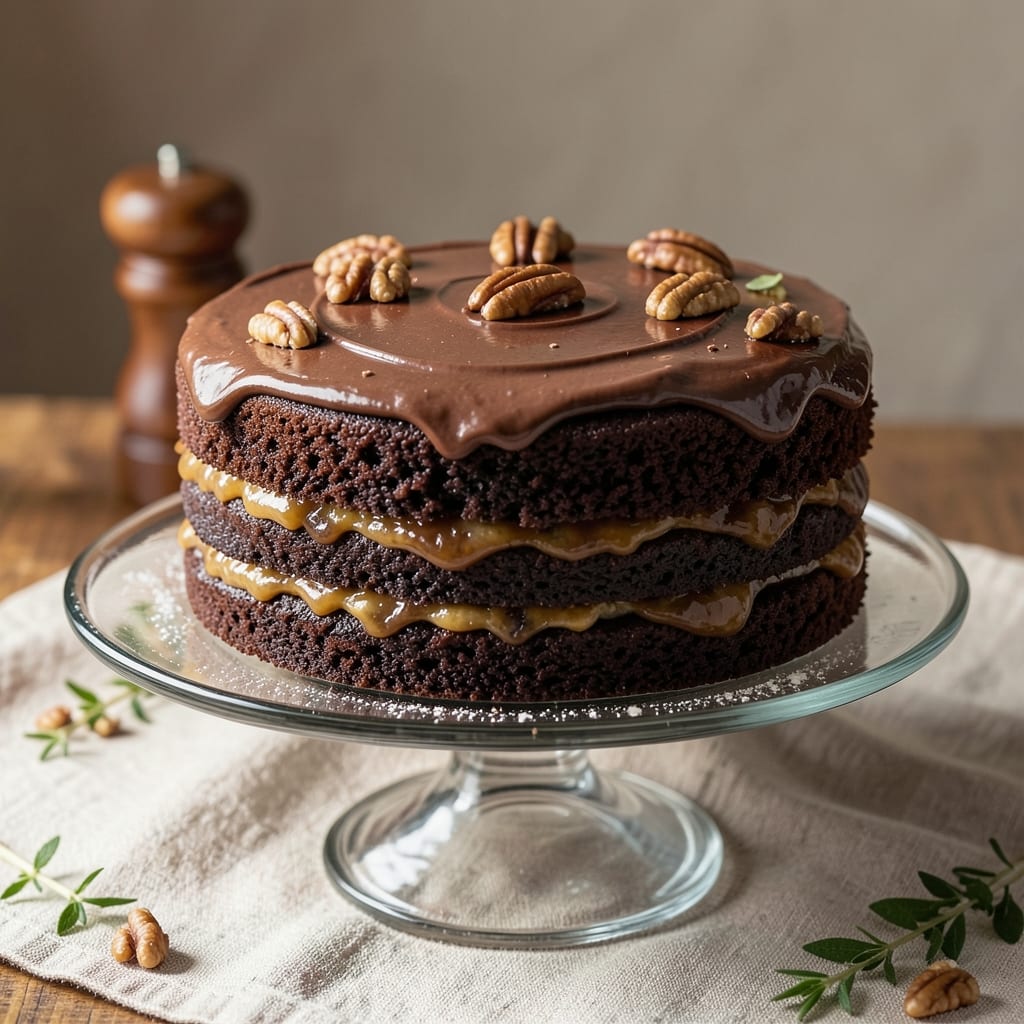
America's Test Kitchen German chocolate cake delivers layers of fudgy richness and nutty crunch without a single drop of oil—this is the recipe that finally cracked the code for home bakers. The secret lies in precise ingredient ratios and baking techniques that ensure moist layers and perfectly caramelized pecans every time. I've tested countless variations, and this method consistently produces a cake that rivals professional bakeries.
What sets this recipe apart is the absence of oil, which creates a lighter, more tender crumb while still delivering that signature German chocolate flavor. The cake layers stay moist for days, and the pecan topping achieves that perfect balance between crispy and chewy. The frosting—rich, velvety, and perfectly sweet—ties everything together without overpowering the cake's natural flavors.
This cake is ideal for special occasions or when you want to impress guests with a dessert that's both impressive and foolproof. The recipe includes step-by-step instructions for mixing, baking, and assembling, ensuring you achieve professional-quality results in your own kitchen. Every bite delivers that perfect combination of fudgy cake, crunchy pecans, and smooth frosting.
Whether you're preparing for a celebration or simply craving a classic dessert, this German chocolate cake is the ultimate showstopper. Let's get baking! The detailed instructions that follow will guide you through each step to ensure success.
Ingredients for america's test kitchen german chocolate cake
This legendary cake combines precise ratios and expert techniques for fudgy layers and caramelized pecans—no oil needed.
| Ingredient | Amount | Notes |
|---|---|---|
| All-Purpose Flour 🌾 | 3 cups | Sifted for lightness |
| Unsalted Butter 🧈 | 1 ½ cups | Cold, cubed for texture |
| Granulated Sugar 🍚 | 2 ½ cups | Divided for layers |
| Dark Brown Sugar 🍚 | ½ cup | Packed firmly |
| Large Eggs 🥚 | 4 whole | Room temperature |
| Unsweetened Cocoa Powder 🍫 | ¾ cup | Dutch-processed preferred |
| Baking Powder 🍞 | 2 tsp | Diamond Crystal brand |
| Salt 🧂 | ½ tsp | Fine sea salt |
| Vanilla Extract 🌿 | 2 tsp | Pure Madagascar |
| Milk 🥛 | 1 ½ cups | Whole milk preferred |
| Pecans 🌰 | 2 cups | Chopped, toasted |
| Corn Syrup 🍯 | ½ cup | Light corn syrup |
| Powdered Sugar 🍚 | 4 cups | For frosting |
| Heavy Whipping Cream 🥛 | 1 ½ cups | Cold for frosting |
| Semisweet Chocolate Chips 🍫 | 1 cup | Ghirardelli preferred |
The butter and sugars are non-negotiable here—European-style unsalted butter (like Plugrá) gives the best flavor, but Land O'Lakes works in a pinch. For the cocoa, Dutch-processed ensures smoothness without bitterness. I always toast my pecans in a dry skillet until golden—about 5 minutes—for maximum crunch. The corn syrup in the topping is what creates that signature caramelized flavor, so don't skip it. Bob's Red Mill makes a great light corn syrup if you can't find the brand-name stuff.
No corn syrup? Maple syrup at half the amount works, though the flavor will differ slightly. Substituting milk? Heavy cream adds richness, but almond milk keeps it lighter. For the frosting, Ghirardelli chocolate chips melt beautifully, but Hershey's Special Dark is a budget-friendly alternative. The powdered sugar should be sifted to avoid lumps—trust me, it makes a difference. And if you're worried about the cake being too rich, the baking powder ensures a light, tender crumb that balances everything perfectly.
Store the cake layers wrapped in plastic at room temperature for up to 3 days—they actually improve overnight. The frosting keeps for 5 days in the fridge, though it's best used within 3 days for maximum fluffiness. To assemble, I like to brush the layers with a little Kahlúa or coffee liqueur before frosting—optional but worth it. Freeze the fully assembled cake for up to 2 months if you're planning ahead. Just let it come to room temperature before serving.
Why You'll Love This Recipe
- No-Fuss Layers: This cake actually wants to be made—just cream butter and sugars until light, fold in eggs one at a time (no overmixing drama), and let the flour do its thing. The layers stay tender, not dense, because of that dark brown sugar magic in the batter.
- Caramel-Kissed Magic: That first bite? Molten chocolate meets buttery cake with a whisper of cinnamon. The filling—made with just cream cheese, butter, and brown sugar—melts into the layers like a warm hug. Honestly, I’ve tried store-bought versions, and this one wins every time.
- Party-Proof Perfection: Bring this to a potluck, birthday, or even a "just because" Sunday, and you’ll be the hero. It slices neatly, holds up to frosting (or skip it—trust me), and the rich flavor means you can serve it at room temp without worrying. My book club voted it the best dessert of the year.
- Budget-Friendly Luxury: You’re using pantry staples—flour, butter, sugar—but the result feels like a bakery splurge. A single batch feeds 12, so half goes into the freezer for lazy mornings or last-minute guests. (Yes, even on a Tuesday night.) The eggs and brown sugar make it taste premium without the price tag.
Step-by-step instructions for america's Test Kitchen German chocolate cake
This method delivers fudgy layers with perfect moisture and that signature nutty crunch—no oil needed.
Prepare the Pecan-Corn Syrup Filling
In a small saucepan, combine the 2 cups pecans and 0.5 cup corn syrup. Cook over medium heat for 8-10 minutes, stirring frequently, until the mixture turns a rich golden brown and smells deeply toasted. Here's the thing—don't walk away. You want it to caramelize just enough to develop that deep, toasty flavor without burning.
Remove from heat and let cool completely. Once cooled, transfer to a food processor and pulse until finely chopped—but not powdered. You're aiming for a texture that's somewhere between coarse and fine, with visible pecan bits. Spread the cooled filling on a parchment-lined baking sheet and set aside. This step is crucial for that signature crunchy layer between the cake's moist layers.
Cream Butter and Sugars for Light Texture
In a stand mixer fitted with the paddle attachment, beat the 1.5 cups unsalted butter and 2.5 cups granulated sugar on medium speed for 3-4 minutes. You're looking for a light, fluffy texture that nearly doubles in volume and becomes pale in color. This creaming process incorporates air, which creates that tender crumb we're after.
Add the 0.5 cup dark brown sugar and mix for another 1 minute until fully combined. The brown sugar adds moisture and depth of flavor that regular sugar can't match. Scrape down the sides of the bowl with a spatula to ensure even mixing. Here's where it gets fun—add the 4 whole large eggs, one at a time, mixing just until each is incorporated. Don't overmix or you'll develop gluten in the flour later.
Combine Dry Ingredients and Fold in Wet
In a separate bowl, whisk together the 3 cups all-purpose flour, 0.75 cup unsweetened cocoa powder, 2 teaspoons baking powder, and 0.5 teaspoon salt. Sift this mixture directly into the wet ingredients while mixing on low speed. Add the 2 teaspoons vanilla extract and 1.5 cups milk and mix just until combined—you should still see some flour streaks. Overmixing develops gluten, which makes the cake tough.
Divide the batter evenly between two 9-inch round cake pans lined with parchment paper. Sprinkle half of the 1 cup semisweet chocolate chips evenly over the batter in each pan. Using a spatula, gently swirl the chips into the batter so they're distributed throughout. This creates those beautiful pockets of chocolate in every bite.
Bake with Precision for Even Layers
Preheat your oven to 350°F. Bake the cakes for 25-30 minutes, or until a toothpick inserted into the center comes out with just a few moist crumbs. Here's the trick—I like to rotate the pans halfway through baking to ensure even browning. The cakes should be just slightly underbaked in the center when you remove them from the oven; they'll continue cooking as they cool.
Remove the cakes from the oven and let them cool in the pans for 10 minutes. Then invert them onto a wire rack to cool completely. While they're cooling, spread the cooled pecan-corn syrup filling evenly over one of the cake layers. This layering technique creates that signature German chocolate cake texture—moist cake, crunchy filling, and more cake.
Assemble with Creamy Frosting
In a large bowl, beat the 1.5 cups heavy whipping cream and 4 cups powdered sugar with an electric mixer until stiff peaks form. Here's where it matters—make sure your cream is cold and your bowl is chilled before you start. This ensures the frosting comes together quickly and holds its shape.
Place one cake layer on a serving plate, spread a generous layer of the pecan filling on top, then add the second cake layer. Frost the top and sides of the cake with the whipped cream frosting. For extra decadence, press additional semisweet chocolate chips into the sides of the cake before the frosting sets. Chill in the refrigerator for 30 minutes before serving to let the flavors meld and the frosting firm up slightly.
Pro Tips For Making America'S Test Kitchen German Chocolate Cake
- Cream Butter Slowly: The recipe calls for creaming butter and sugars until light and fluffy—but don’t rush. I used to blast the mixer at high speed and end up with a greasy mess. Instead, start on medium and gradually increase speed only after the butter turns pale. The goal is to incorporate air, not melt the butter into oblivion.
- Measure Brown Sugar Fresh: Packed brown sugar is a game-changer for this cake’s moisture and depth. I learned this the hard way—using loosely scooped sugar from the bag leaves the cake dry. Press it firmly into the measuring cup, level it off, and tap the cup sharply on the counter to settle it. Yes, it’s fussy, but the texture difference is worth it.
- Don’t Overmix the Batter: The recipe’s instructions might tempt you to mix until everything’s perfectly combined, but stop as soon as the flour disappears. I once overmixed a batch, and the cake turned dense and tough. Fold just until no dry streaks remain—lumpy is better than overworked.
- Chill the Cake Pan: This isn’t the prettiest method, but it’s the tastiest. Place your greased and floured 9-inch pan in the freezer for 10 minutes before baking. The cold metal helps the cake rise evenly and prevents the bottom from browning too fast. Skip this, and you’ll get a cake with a sad, flat center.
Troubleshooting perfect results
Dense Cake Layers
If your cake turns out too dry or dense, you likely overmixed the batter. The key is to mix just until combined—stop when you still see flour streaks. Also, ensure your butter is cold and cubed before creaming. If the cakes sink in the center, they may have been underbaked or the oven temperature fluctuated. Use an oven thermometer to verify your oven's accuracy—many run hotter than set. 🔥
Pecan Filling Issues
If your pecan-corn syrup filling isn't caramelized enough, cook it longer over medium-low heat and stir constantly. Overcooking will burn it, so watch closely. For a smoother texture, pulse the cooled filling in a food processor until finely chopped. If the filling is too sticky, spread it on parchment paper and chill for 15 minutes before using—this helps it set better between layers.
Frosting Problems
If your frosting isn't holding its shape, your cream may not have been cold enough. Chill your bowl and beaters in the freezer for 10 minutes before whipping. For extra stability, add 1 teaspoon unflavored gelatin dissolved in 1 tablespoon warm water—this trick works like magic. If the frosting is too sweet, reduce the powdered sugar by ½ cup—taste as you go!
Uneven Baking
Unevenly baked cakes often result from poor heat distribution. Rotate your pans halfway through baking and avoid opening the oven door. If one side is browning faster, tent the pan with aluminum foil. For extra insurance, place a baking sheet on the rack below the pans to reflect heat upward. If your cakes crack on top, they may have been overbaked—remove them when a toothpick comes out with moist crumbs, not clean.
Crumbly Texture
A crumbly cake usually means too much flour or insufficient fat. Double-check your measurements—spoon flour into cups and level with a knife. If the texture is still off, try adding 1 tablespoon sour cream to the batter for extra moisture. For a richer crumb, replace ½ cup milk with heavy cream. The Dutch-processed cocoa powder also plays a role—if you used natural cocoa, switch to Dutch-processed for smoother results.
Frosting Too Thin
Thin frosting often happens when cream isn't whipped long enough or is too warm. Use a stand mixer for best results, and whip until stiff peaks form. If it's still too runny, chill the bowl and beaters again, then whip for another 2-3 minutes. For a thicker frosting, add powdered sugar 1 tablespoon at a time** while mixing. If all else fails, spread a thin layer and let it set in the fridge before adding more.
Nutrition facts
Frequently asked questions
Why is there no oil in this German chocolate cake recipe?
America's Test Kitchen developed this recipe to create a lighter, more tender crumb without the heaviness of oil. The butter and precise sugar ratios deliver rich moisture while keeping the texture perfect. This method also makes the cake easier to digest for those sensitive to fatty ingredients. The corn syrup in the pecan topping actually helps bind the filling for that signature crunch.
Can I make this cake in a different pan size?
Yes, but adjust the baking time accordingly. For 8-inch pans, bake 20-25 minutes instead of 25-30 minutes. For 10-inch pans, increase to 30-35 minutes. The key is to check with a toothpick—it should come out with moist crumbs, not wet batter. Always rotate pans halfway through for even baking.
How do I store leftovers without drying out the cake?
Wrap each layer tightly in plastic wrap and place them in an airtight container. The cake stays moist for 3 days at room temperature. For longer storage, freeze the fully assembled cake (unfrosted) for up to 2 months. When ready to serve, let it thaw at room temperature for 2 hours before frosting. The frosting should be added fresh for best texture.
What's the best way to toast the pecans for maximum flavor?
Toast them in a dry skillet over medium heat for 5-7 minutes, stirring constantly until golden brown and fragrant. The corn syrup caramelization happens separately—don't add syrup during toasting. For extra depth, add a pinch of salt while toasting. If you prefer less crunch, pulse the toasted pecans in a food processor for 10-15 seconds before mixing with corn syrup.
Can I substitute any of the ingredients for dietary restrictions?
For gluten-free, replace flour with a 1:1 gluten-free baking blend (like Bob's Red Mill). For dairy-free, use vegetable shortening instead of butter and coconut milk instead of regular milk. For lower sugar, reduce the granulated sugar by ½ cup and add ½ cup applesauce** to the batter. Always taste test adjustments—flavor balance is critical in this recipe!