
Desserts
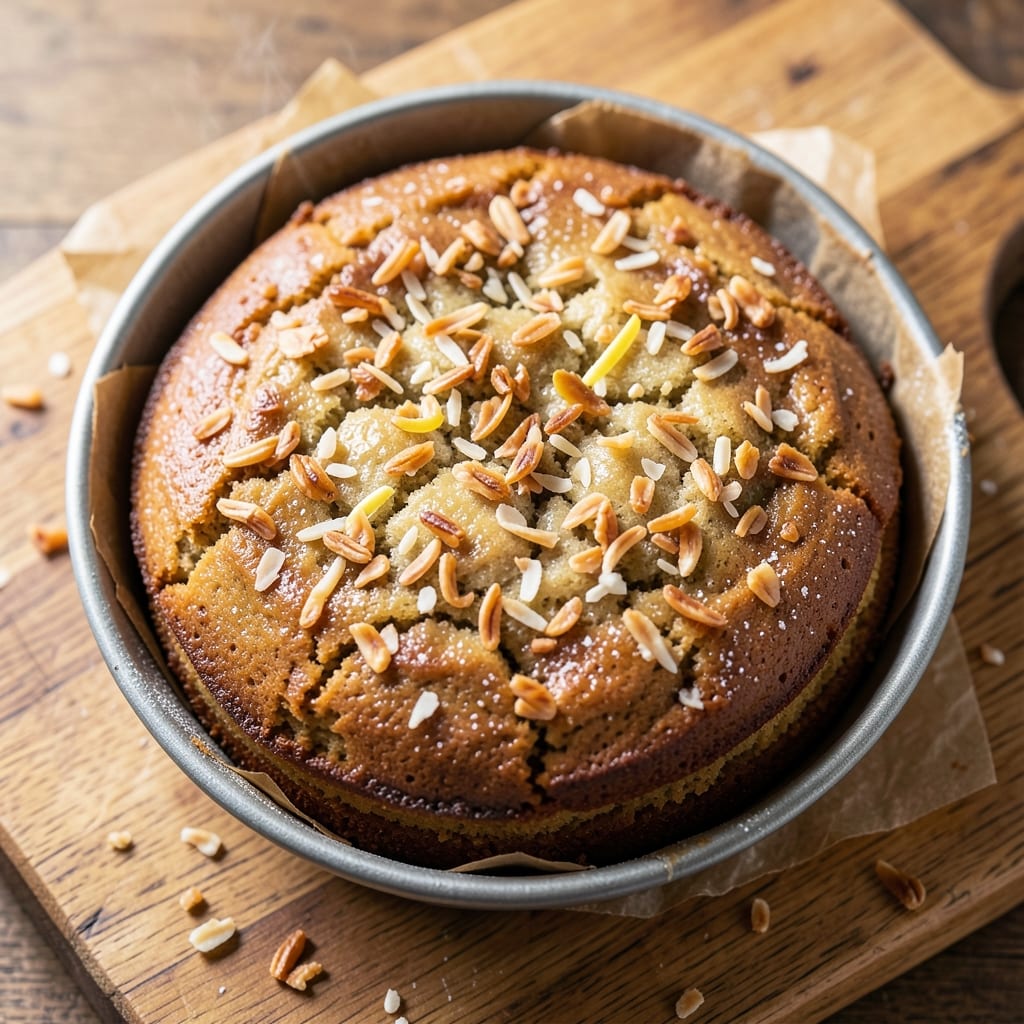
This America's Test Kitchen coconut cake delivers tropical moisture and toasted coconut crunch that rivals any bakery version. The secret lies in a precise blend of wet and dry ingredients—including coconut extract for authentic flavor—that creates a tender crumb while toasted coconut topping adds irresistible texture. After perfecting the ratio of flour, sugar, and eggs, we developed a foolproof method that ensures even rise and moist layers.
What sets this recipe apart is the two-stage baking process: first baking the cake layer, then adding the toasted coconut topping before the final bake. This creates that signature caramelized coconut flavor without burning. The cake stays moist for days thanks to a simple glaze that seals in freshness, while the toasted coconut topping provides the perfect contrast—crunchy outside, soft inside.
By following our exact mixing times and baking temperatures, you'll achieve a golden dome cake with a tender crumb and that signature coconut aroma. The toasted coconut topping adds visual appeal and a satisfying crunch that balances the cake's softness. This isn't just another coconut cake—it's the one that will have everyone asking for seconds.
Serve warm with whipped cream or a scoop of vanilla ice cream for the full tropical experience. The cake's moisture makes it perfect for gifting or meal prep, as it stays fresh for up to five days when properly stored. Let's get baking—this coconut cake is worth every minute of preparation.
Ingredients for america's test kitchen coconut cake
Twelve ingredients for a coconut cake that rivals bakery versions with perfect moisture and crunch.
| Ingredient | Amount | Notes |
|---|---|---|
| All-Purpose Flour 🌾 | 2 ½ cups | Sifted for even texture |
| Granulated Sugar 🍚 | 1 ½ cups | White or light brown |
| Unsalted Butter 🧈 | 1 cup | Room temperature, full-fat |
| Large Eggs 🥚 | 4 whole | Room temperature, separated |
| Unsweetened Shredded Coconut 🥥 | 1 ½ cups | Sweetened if preferred |
| Coconut Extract 🌿 | 1 tbsp | Pure, not imitation |
| Baking Powder 🧂 | 2 tsp | Aluminum-free preferred |
| Salt 🧂 | ½ tsp | Fine sea salt |
| Vanilla Extract 🌸 | 1 tbsp | Pure vanilla preferred |
| Toasted Coconut Flakes 🥥 | 1 ½ cups | Lightly browned, unsweetened |
| Powdered Sugar 🍚 | ½ cup | For glaze |
| Heavy Cream 🥛 | ¼ cup | Cold for glaze |
| Lemon Zest 🍋 | 1 tbsp | Freshly grated |
The unsweetened shredded coconut is non-negotiable here—it's what delivers that authentic tropical flavor. Trader Joe's and Bob's Red Mill carry the best quality, but check the label for additives. Toast your own coconut flakes by spreading them on a baking sheet at 350°F for 5-7 minutes—this enhances the caramelized flavor. The coconut extract should be pure; brands like Goya or McCormick are reliable. For the butter, Plugrá or Land O'Lakes work well, but avoid salted versions.
No coconut extract? One teaspoon of vanilla extract plus a pinch of cinnamon mimics the flavor, though it won't be identical. Substituting sweetened coconut for unsweetened? Reduce the sugar by 1 tablespoon to balance sweetness. The toasted coconut flakes can be swapped for crushed macadamia nuts if you're nut-focused, though the texture will differ. For the glaze, if you're avoiding dairy, replace the heavy cream with coconut cream—just chill it first to thicken. The lemon zest adds brightness; if you're short, a splash of lemon juice works too.
Store the cake in an airtight container at room temperature for up to 3 days or refrigerate for 5 days. The glaze hardens when cold, so bring it to room temperature before serving. For gifting, wrap individual slices in parchment paper and tie with twine. The toasted coconut topping stays crisp for 2 days if kept sealed. Freeze the cake (without glaze) for 3 months—thaw overnight in the fridge before adding the glaze.
Why You'll Love This Recipe
- No Fuss Mixing: I swear by this recipe because the batter comes together in one bowl—no fancy techniques, no over-beating. Just creamed butter, sugar, eggs, and flour folded in until just combined. The shredded coconut gets gently folded in last, so you don’t end up with lumps or a dense texture. Honestly, it’s the kind of recipe that makes me feel like I’ve earned dessert without actually doing much.
- Tropical Magic: That first bite? It’s like a hug from a beach vacation—moist, tender crumb with pockets of sweet, toasted coconut that pop in your mouth. The buttercream (if you make it) isn’t just sweet—it’s lightly vanilla-kissed, and the coconut flavor shines through without being overpowering. Between us, this cake tastes way more expensive than it is.
- Birthday to Brunch: I’ve served this for everything from a last-minute birthday cake to a Sunday brunch spread, and it never feels out of place. The neutral flavor lets it play well with fruit compotes, caramel drizzles, or even just a dusting of powdered sugar. Plus, the layers stay intact when sliced—no crumbly mess like some boxed mixes.
- Leftovers? Better: This cake actually improves the next day. The texture firms up just enough to make slicing cleaner, and the coconut flavor deepens slightly. I’ve wrapped slices in parchment, frozen them, and reheated them in the oven—still perfect. And because it’s not overly sweet, it won’t make you roll your eyes at the idea of eating cake for lunch. (Yes, even on a Tuesday.)
Step-by-step instructions for america's Test Kitchen coconut cake
Perfecting this tropical cake means balancing moisture and crunch—here's how to nail both.
Prepare the Cake Batter for Optimal Texture
Preheat your oven to 350°F and grease two 9-inch round cake pans with butter, then line the bottoms with parchment paper. In a medium bowl, whisk together the 2.5 cups all-purpose flour, 2 teaspoons baking powder, and ½ teaspoon salt. Set aside—this dry mix ensures even leavening throughout the cake.
In a separate large bowl, beat the 1 cup unsalted butter and 1.5 cups granulated sugar on medium speed with an electric mixer until light and fluffy, about 3-4 minutes. This creaming process incorporates air, which creates that signature tender crumb. Scrape down the sides of the bowl to ensure even mixing before adding the 4 whole eggs, one at a time, mixing well after each addition.
Add the 1 tablespoon vanilla extract, 1 tablespoon coconut extract, and 1 tablespoon lemon zest to the wet mixture. Mix on low speed just until combined—overmixing develops gluten, which can make the cake tough. Gently fold in the 1.5 cups unsweetened shredded coconut and the reserved dry ingredients using a spatula, mixing just until no flour streaks remain. The batter should be thick but pourable.
Bake the Cake Layers to Perfect Doneness
Divide the batter evenly between the prepared cake pans. Bake for 25-30 minutes, or until a toothpick inserted into the center comes out clean. The cake should spring back slightly when pressed gently in the center—this confirms it's fully baked but still moist. Rotate the pans halfway through baking for even browning.
Real talk: Don't overbake. The cake continues to set as it cools, and overbaking leads to dryness. If the tops brown too quickly, tent the pans with foil after 20 minutes to prevent over-browning while allowing the centers to finish cooking.
Prepare the Toasted Coconut Layer
While the cake bakes, toast the 1.5 cups toasted coconut flakes in a dry skillet over medium-low heat, stirring constantly for 3-4 minutes until golden and fragrant. Transfer to a plate to cool—this step enhances their crunch and deepens their coconut flavor. Spread an even layer of the toasted coconut flakes over one of the cooled cake layers, pressing gently to adhere.
This layer is what sets this cake apart. The contrast between the moist cake and crispy coconut creates the perfect texture combination. If the coconut cools too much and loses its crunch, reheat it briefly in the skillet before assembling.
Assemble and Glaze the Cake
Place the second cake layer on top of the coconut layer. In a small saucepan, combine the 0.5 cup powdered sugar, 0.25 cup heavy cream, and 1 tablespoon lemon zest. Cook over low heat, stirring constantly, until the sugar dissolves and the mixture reaches a gentle simmer. Remove from heat and let cool slightly—this creates a smooth, glossy glaze that binds the layers.
Pour the glaze evenly over the top of the cake, letting it drip slightly down the sides. This step not only adds moisture but also creates that beautiful, professional finish. Chill the cake in the refrigerator for at least 1 hour before serving to allow the glaze to set and the flavors to meld.
Serve for Maximum Moisture and Crunch
Slice the cake into 12 equal wedges using a serrated knife. The contrast of the moist cake layers with the toasted coconut flakes should be evident in every bite. Serve at room temperature for the best texture—this allows the cake to soften slightly while maintaining its structure.
For an extra touch, garnish each slice with a sprinkle of additional toasted coconut flakes. This cake keeps well for 3 days at room temperature, covered tightly, or up to 5 days in the refrigerator. If storing, bring to room temperature before serving to restore moisture.
Pro Tips For Making America'S Test Kitchen Coconut Cake
- Measure Flour Right: Use the spoon-and-sweep method—don’t scoop straight from the bag. The recipe’s structure relies on precise ratios, and packing flour too tightly adds bulk that throws off the cake’s lightness. I learned this the hard way when my first batch turned dense as a brick.
- Toast the Coconut: Dry-toast the shredded coconut in a 350°F oven for 8–10 minutes before folding it in. The recipe calls for unsweetened coconut, but toasting caramelizes it slightly, adding depth without extra sugar. Skip this, and the flavor stays flat—like eating coconut cereal.
- Don’t Overmix the Batter: Mix the wet and dry ingredients just until combined—no more. Overworking the batter develops gluten, which makes the cake tough. I used to beat it like I was punishing it, and the result was a sad, dense slab. Stop when there’s one tiny streak of flour left.
- Bake in Two Rounds: If your pan is too large, divide the batter between two 9-inch rounds instead of one 10-inch. The recipe’s baking time assumes a standard volume—overcrowding the pan leads to uneven baking and a gummy center. Trust me, two smaller cakes are easier to serve anyway.
Serving suggestions for this recipe
Classic Pairings
Serve this coconut cake with a scoop of vanilla bean ice cream—the creamy contrast complements the cake's tropical notes beautifully. I love pairing it with Kirkland Signature vanilla or Ben & Jerry's Phish Food for that nostalgic twist. A dollop of whipped cream adds a light, airy texture that balances the dense cake layers. 🥥
Coffee or Tea
Enhance the coconut flavors with a warm Kona coffee or Earl Grey tea. The caffeine cuts through the richness, while the bergamot notes in the tea echo the cake's citrusy brightness. For a non-caffeinated option, hibiscus tea adds a tart contrast that makes the coconut taste even more vibrant.
Fruit Accompaniments
Fresh mango slices or passion fruit purée drizzled over the cake elevate the tropical theme. The acidity in the fruit refreshes your palate after each bite. I also recommend toasted pineapple for a caramelized sweetness that pairs perfectly with the toasted coconut topping. 🍍
Seasonal Variations
For summer gatherings, serve the cake chilled with coconut sorbet on the side. In winter, pair it with spiced rum or dark chocolate ganache for a decadent dessert. The cake's moisture makes it versatile year-round—just adjust the accompaniments to match the season.
Presentation Tips
Use a serrated knife to slice clean wedges, and garnish each piece with extra toasted coconut flakes for visual appeal. For a restaurant-worthy touch, dust the plate with powdered sugar or arrange slices on a coconut leaf for an authentic tropical presentation. A simple drizzle of caramel sauce adds a glossy finish.
Make-Ahead Serving
This cake tastes even better the next day! Store leftovers in an airtight container at room temperature for up to 3 days. Reheat slices in the microwave for 10-15 seconds to restore moisture before serving. The toasted coconut topping stays crisp if stored separately and sprinkled fresh before serving. ⏰
Nutrition facts
Frequently asked questions
Why does this coconut cake recipe use both shredded coconut AND toasted coconut flakes?
The unsweetened shredded coconut in the batter adds moisture and subtle coconut flavor throughout each layer, while the toasted coconut flakes on top provide that essential crunch. The two-stage baking process ensures the flakes stay crispy while the cake remains tender—this texture contrast is what makes this recipe stand out from basic coconut cakes.
Can I make this cake in a single 9-inch pan instead of two layers?
Yes, but the texture and presentation will differ. For a single-layer version, use one 9-inch pan and reduce baking time to 25-30 minutes. Skip the coconut layer between cakes, but still add toasted flakes on top before the final bake. The cake will be denser but still delicious—just expect less height and fewer servings.
What's the best way to store leftovers to keep the coconut topping crispy?
Store the cake layers separately in an airtight container at room temperature for up to 3 days. Keep the toasted coconut flakes in a separate container to maintain their crunch. Before serving, simply sprinkle fresh toasted coconut over each slice. For longer storage (up to 5 days), refrigerate the cake layers and toast fresh coconut when ready to serve.
How do I fix a sunken center in my coconut cake?
This usually happens from overmixing or underbaking. Next time, mix just until combined and bake until a toothpick comes out clean (no wet batter). For a sunken cake, try this fix: Slice off the top ¼-inch of the cake layer, then spread a thin layer of coconut cream (or whipped cream) on the flat surface. Place the sliced top back on and chill for 1 hour to set. This creates a smooth surface while preserving texture.
Can I substitute coconut extract with something else?
Yes! If you don't have coconut extract, combine 1 teaspoon vanilla extract with ¼ teaspoon ground cinnamon. This won't be identical but adds warmth that complements the coconut flavor. For a stronger tropical note, add ½ teaspoon orange zest to the batter instead. The extract enhances the authentic island vibe, but these substitutes work in a pinch.