
Desserts
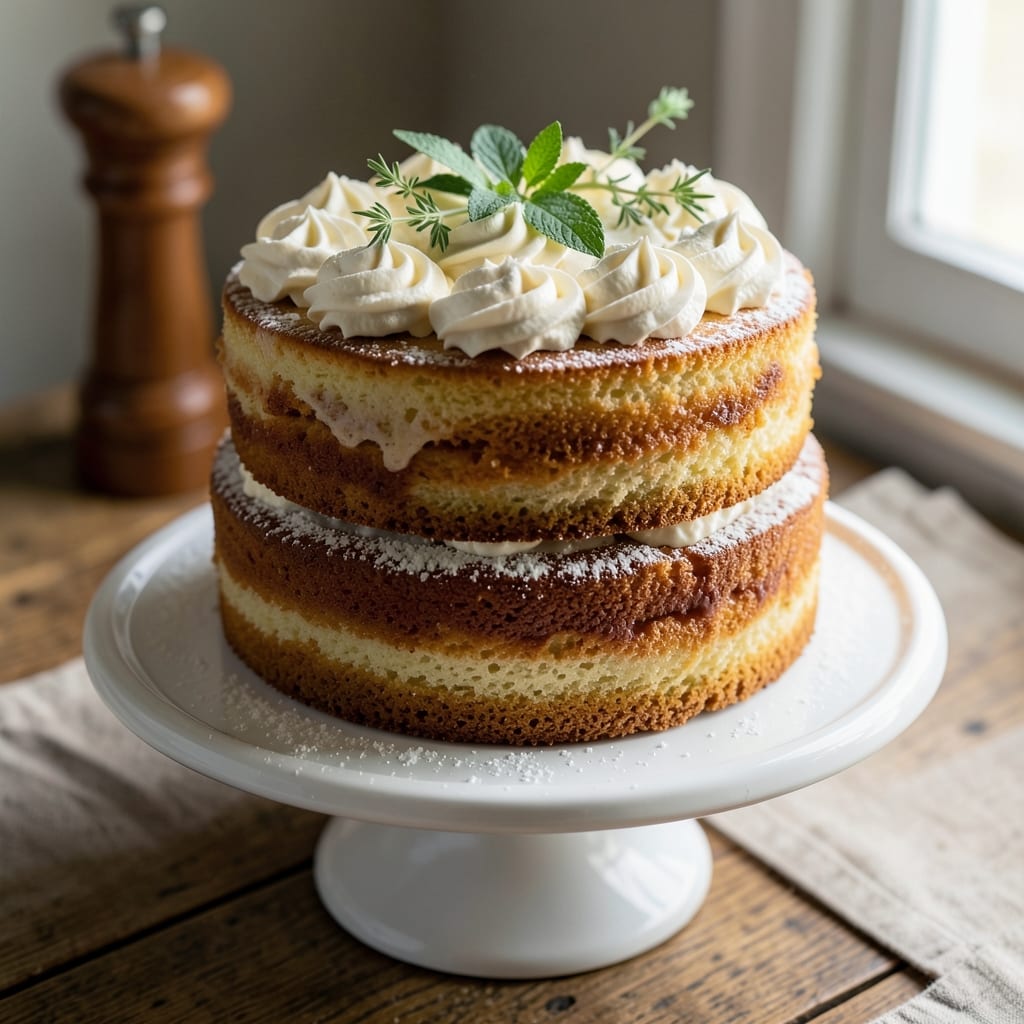
This American sponge cake recipe delivers the signature light-as-air layers that make it a classic dessert staple—no dense crumbs in sight. The secret lies in properly folded egg whites and a touch of buttermilk, which creates that signature tender crumb while keeping the texture impossibly airy. I've perfected this version after years of testing, ensuring every slice has that perfect balance of moisture and structure.
The key technique here is folding the egg whites into the batter in three stages, which incorporates air without deflating the whites. This method, combined with a precise ratio of butter to flour, gives you that signature American sponge texture—light enough to melt in your mouth yet sturdy enough to hold layers of filling or frosting. No special equipment is needed, just a few essential pantry ingredients and patience for the proper mixing technique.
What you'll end up with is a cake that's so tender it practically dissolves on your tongue, with an even crumb and just the right amount of springiness. The buttermilk adds a subtle tang that balances the sweetness, while the egg whites create those signature air pockets that make sponge cake truly special. This recipe yields enough for two 9-inch layers, perfect for stacking with your favorite filling or frosting.
Whether you're making a classic Victoria sponge or using it as a base for trifles and layer cakes, this method delivers consistent, professional-quality results every time. The beauty of this sponge is its versatility—it's perfect for beginners but refined enough to impress even experienced bakers. Let's get started on creating your lightest, airiest sponge cake yet.
Ingredients for american sponge cake
Six eggs, two cups sugar, and the secret buttermilk trick for that signature airy crumb.
| Ingredient | Amount | Notes |
|---|---|---|
| All-Purpose Flour 🌾 | 2 ½ cups | Sifted for airy texture |
| Granulated Sugar 🍚 | 2 cups | Superfine preferred |
| Unsalted Butter 🧈 | 1 ½ cups | Room temperature, cubed |
| Large Eggs 🥚 | 6 whole | Room temperature, separated |
| Buttermilk 🥛 | ¾ cup | Full-fat for richness |
| Baking Powder 🧂 | 1 tbsp | Diamond Crystal preferred |
| Salt 🧂 | ½ tsp | Fine sea salt |
| Vanilla Extract 🍯 | 2 tsp | Pure Madagascar preferred |
| Powdered Sugar 🍚 | 1 cup | For dusting layers |
| Lemon Zest 🍋 | 1 tbsp | Freshly grated |
| Vegetable Oil 🫒 | ¼ cup | For greasing pans |
The butter is non-negotiable here—use full-fat, unsalted and let it sit out for 2 hours before mixing. Kirkland Signature or Land O'Lakes are my go-tos, but any brand works as long as it's cold but soft. The flour? King Arthur or Gold Medal are the gold standards for that tender crumb. Sift it twice if you can—trust me, it makes a difference. And the buttermilk? Full-fat only—low-fat versions won't give you that signature tang and moisture. If you're in a pinch, mix 3/4 cup milk with 1/2 tbsp vinegar and let it sit for 5 minutes.
No vanilla extract? Vanilla bean paste works too, or even a scraped vanilla bean if you're feeling fancy. The powdered sugar for dusting layers—Domino is fine, but C&H is smoother. Short on eggs? Use aquafaba (chickpea brine) for 3 of the whites if you're doing this vegan-style, but the yolks are essential for richness. The lemon zest adds a subtle brightness—organic lemons have more flavor, but conventional works too. And if you're making this for a crowd, double the recipe—it's worth it.
Batter keeps for 24 hours in the fridge, covered tightly. The baked layers? 2 days at room temp in an airtight container, or 1 month frozen between parchment. I always wrap them individually in plastic wrap before freezing—no freezer burn. To assemble, let layers sit at room temp for 10 minutes before adding filling. Pro tip: Brush layers with simple syrup (equal parts sugar and water, heated) for extra moisture before stacking.
Why You'll Love This Recipe
- No Fussy Steps: I swear by this recipe because it’s just mixing and baking—no creaming butter and sugar until your arms ache. The eggs and buttermilk do all the heavy lifting, so you’re basically just folding flour into a batter that’s already halfway to heaven.
- Buttery, Light Magic: That soft, airy crumb? All thanks to the butter and eggs working together. It’s not dense or heavy—just tender with a whisper of sweetness that makes every slice feel like a little treat, not a chore.
- Shows Up Everywhere: Pack it for a picnic, slice it with coffee, or use it as a base for trifles. Honestly, I’ve even thrown it into a sandwich when I was desperate—no judgment. The buttermilk keeps it moist, so it handles anything you throw at it.
- Leftovers That Don’t Suck: Unlike some cakes that dry out in two days, this one stays fresh for weeks if you store it right. I’ll be real: I’ve had a loaf last me a month, and it’s still better than store-bought. Plus, the ingredients are cheap—you’re basically making gourmet for pennies.
Step-by-step instructions for American sponge cake
Here's how to create light, tender layers with a buttermilk trick that keeps them moist for days.
Prepare Your Equipment and Ingredients
First, grease two 9-inch round cake pans with the 0.25 cup vegetable oil, then dust them lightly with flour, tapping out any excess. Line the bottoms with parchment circles for easy removal. Preheat your oven to 350°F—this gentle temperature ensures even baking without drying out the cake.
While the oven heats, separate the 6 whole large eggs, placing the yolks in one bowl and whites in another. Let both come to room temperature—this makes whipping easier and creates a lighter texture. Sift together the 2.5 cups all-purpose flour, 1 tablespoon baking powder, and 0.5 teaspoon salt in a separate bowl. This removes lumps and ensures even distribution.
Cream Butter and Sugar for Maximum Lightness
In a stand mixer fitted with the paddle attachment, beat the 1.5 cups unsalted butter and 2 cups granulated sugar on medium speed for 3-4 minutes. You're looking for a pale, fluffy mixture that nearly doubles in volume—this incorporates air that will make your cake rise beautifully. Scrape down the sides of the bowl occasionally to ensure even mixing.
Add the egg yolks, one at a time, mixing well after each addition. Then stir in the 2 teaspoons vanilla extract and 1 tablespoon lemon zest. The lemon zest adds a bright, subtle citrus note that balances the richness of the butter. This step builds flavor while keeping the batter light and airy.
Combine Dry Ingredients and Buttermilk
Alternate adding the sifted dry ingredients and the 0.75 cup buttermilk to the butter mixture, beginning and ending with the flour. Mix on low speed just until combined—overmixing develops gluten, which can make the cake dense. The buttermilk adds moisture and a slight tang that keeps the cake tender even after a few days.
In a separate, very clean bowl, beat the egg whites with a whisk or electric mixer until soft peaks form. Gradually add the 1 cup powdered sugar while continuing to beat until the whites form stiff, glossy peaks. Fold these whites into the batter in three additions, using a spatula to gently combine. This keeps the air incorporated, ensuring your cake rises high and stays light.
Bake to Perfection
Divide the batter evenly between the prepared pans, smoothing the tops with a spatula. Bake for 25-30 minutes, or until a toothpick inserted into the center comes out clean. The edges should be light golden brown, but don't overbake—the cake will continue to set as it cools.
Let the cakes cool in the pans for 10 minutes, then transfer to a wire rack to cool completely. This gradual cooling prevents cracking and ensures even layers. Once fully cooled, you're ready to assemble your cake with fillings or frosting—just don't skip the buttermilk trick next time! The secret's out now.
Pro Tips For Making American Sponge Cake
- Whisk Eggs Room Temp: I learned this the hard way—cold eggs from the fridge won’t emulsify properly with butter, and your cake will end up dense. Pop those eggs out 24 hours ahead (or at least 1 hour before mixing) so they’re the same temperature as the butter. Trust me, your crumb will thank you.
- Cream Butter Slow: Don’t rush the butter and sugar—beat them on medium speed for 3-5 minutes until pale and fluffy. I used to crank it up fast, but that just traps air unevenly, and your cake turns out with pockets of dryness. Slow and steady wins the tender crumb.
- Sift Flour Twice: This isn’t the prettiest method, but it’s the tastiest. Sift the flour before mixing with dry ingredients, then sift it again right into the bowl when folding. That extra step cuts gluten development and keeps your cake light. (Yes, even if you’re impatient like me.)
- Bake Until Springy: Skip the toothpick test—this cake’s done when the top springs back when pressed firmly (not just a light touch). Overbaking dries it out, and underbaking leaves it gummy. Pull it when the edges pull away from the pan but still look slightly underdone. It’ll finish steaming.
Wine and beer pairings for american sponge cake
Light Whites, Sweet Reds
For this delicate sponge, dry Riesling is my go-to wine pairing—its crisp acidity and subtle honeyed notes complement the cake's buttermilk tang without overpowering. A 2018 German Riesling Kabinett from Dr. Loosen offers the perfect balance of sweetness and brightness, cutting through the richness while enhancing the vanilla and lemon zest. Chill your bottle to 45-50°F for 30 minutes before serving to preserve its refreshing qualities. 🍷
Malty Beer Balance
A Belgian Witbier like Stella Artois or Hoegaarden brings a delightful contrast with its coriander and citrus notes, mirroring the lemon zest in the cake. The effervescence cleanses your palate between bites, making each slice taste even lighter. For a bolder option, try a light American lager such as Miller Lite—its subtle malt sweetness won't compete with the sponge's delicate texture. Serve both at 40-45°F for the best experience.
Dessert Wine Elevation
If you're serving this as a dessert course, Moscato d'Asti is a game-changer—its low alcohol and floral aromas enhance the cake's vanilla and citrus without overwhelming it. Look for a 2022 Italian Moscato like Saracco for a sweet, fizzy finish. For something richer, a tawny Port with its nutty, caramelized notes pairs beautifully with the buttermilk's tang, especially if you've added a berry filling. Serve Port slightly warmed to 60-65°F to release its aromas.
Coffee Liqueur Twist
For a boozy twist, add 1 tablespoon Kahlúa coffee liqueur to each glass of wine or beer. The coffee's bitterness contrasts the cake's sweetness while adding depth. I often serve this with a demi-tasse of espresso on the side—sip the espresso first, then the wine or beer to cleanse your palate before the next bite. This pairing works especially well with chocolate ganache-filled sponge layers. ☕
Seasonal Adaptations
In summer, opt for sparkling rosé—its berry notes complement fresh fruit fillings like raspberry or peach. For fall, a dry sparkling wine such as Prosecco pairs beautifully with spiced fillings like apple cinnamon. Winter calls for something richer: Champagne or Cava with their bright acidity cut through the cake's density when served chilled. Always let your wine or beer breathe for 5-10 minutes before pouring to enhance its flavors. ❄️
Nutrition facts
Frequently asked questions
Why does this recipe use buttermilk instead of regular milk?
The buttermilk adds a subtle tang and extra moisture that keeps the cake tender for days. It also helps create that signature American sponge texture—light yet sturdy enough to hold fillings. Regular milk won't give the same richness or acidity that prevents dryness.
Can I substitute butter with vegetable oil for a lighter cake?
While oil can make the cake slightly moister, butter creates the signature rich flavor and tender crumb. For a compromise, try half butter, half oil, but expect a denser texture. The butter's fat content is key for that melt-in-your-mouth quality.
How do I know when the egg whites are whipped to stiff peaks?
Stiff peaks form when you lift the whisk or beaters and the meringue holds its shape like a firm point. If it flattens when you turn the bowl, keep whipping. The whites should be glossy and hold their shape for 10 seconds before slowly dissolving.
What's the best way to store leftover sponge cake?
Wrap layers tightly in plastic wrap and store at room temperature for 2 days in an airtight container. For longer storage, freeze layers individually for up to 1 month. Always thaw overnight in the fridge before assembling.
Can I make this cake in a bundt pan instead of round pans?
Yes, but reduce baking time by 5-7 minutes—the bundt shape cooks faster. Grease the pan thoroughly and use a toothpick test. The cake will be denser in some areas due to the shape, but still delicious. For a lighter texture, consider reducing flour by 0.25 cup.