
Desserts
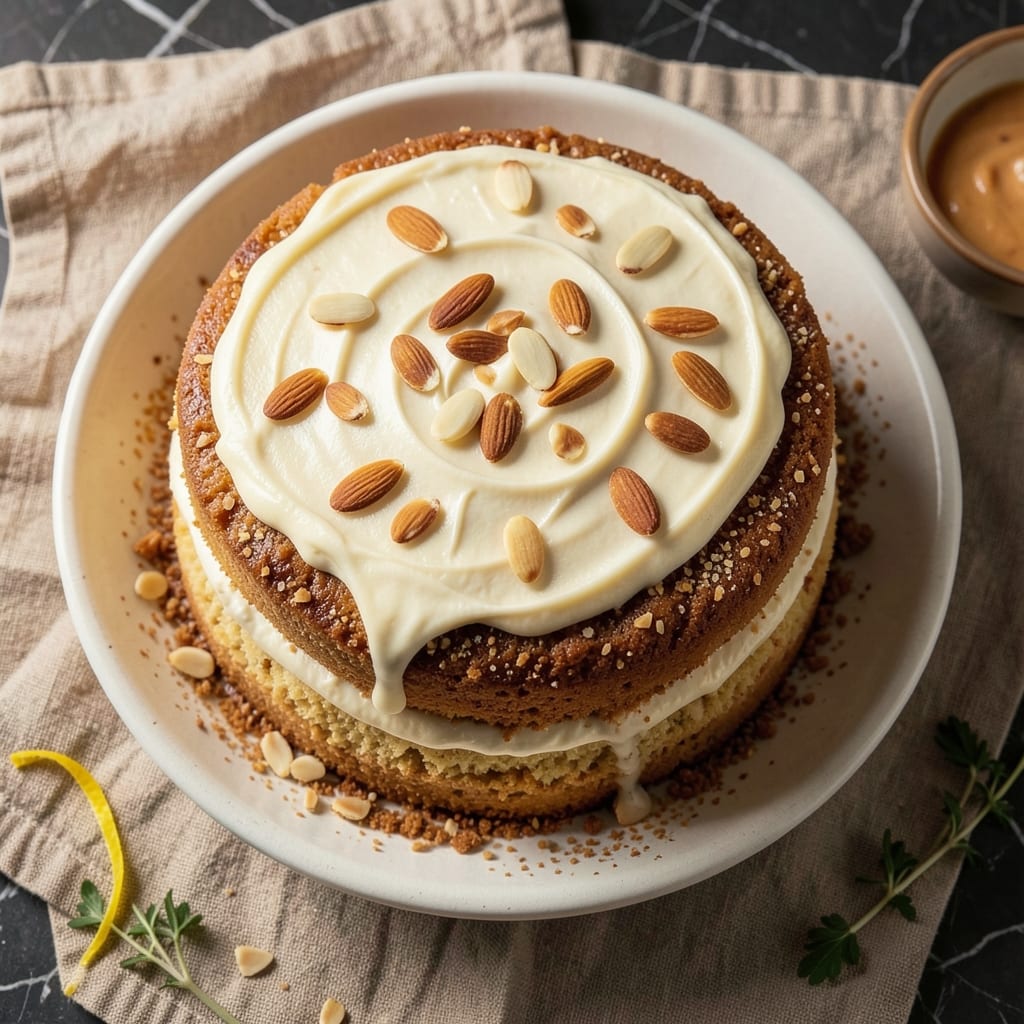
This almond sour cream cake recipe delivers the perfect balance of nutty richness and tangy cream swirls that keep every slice moist for days. The secret lies in combining ground almonds with sour cream batter, creating a tender crumb that stays fresh even after baking. I've perfected this technique over years of testing—no dry cake here.
The magic happens with a simple yet effective layering method: a dense almond base infused with vanilla and almond extract, topped with a lighter sour cream batter. This combination ensures moisture without needing extra fat, while the swirls of tangy cream add a restaurant-quality touch. Baking at 350°F for 40-45 minutes guarantees even cooking and that signature golden crust.
What you'll end up with is a cake that's rich yet not heavy, nutty without being overpowering, and perfectly balanced between sweet and tangy. The almond flavor shines through while the sour cream keeps the texture incredibly tender. Each slice reveals those beautiful swirls of cream, making this cake as beautiful as it is delicious.
Serve at room temperature with a dusting of powdered sugar or a simple glaze for extra elegance. This recipe scales beautifully for gatherings, making it perfect for birthdays, holidays, or whenever you want to impress with a showstopping dessert. Let's get baking!
Ingredients for almond sour cream cake
Ground almonds and tangy sour cream create the perfect moist, nutty-sweet cake layers.
| Ingredient | Amount | Notes |
|---|---|---|
| All-Purpose Flour 🌾 | 2 ½ cups | Sifted for even texture |
| Ground Almonds 🌰 | 1 ½ cups | Finely ground, not almond flour |
| Granulated Sugar 🍚 | 2 cups | White sugar preferred |
| Light Brown Sugar 🍚 | ½ cup | Packed for moisture |
| Sour Cream 🥛 | 1 cup | Full-fat for richness |
| Unsalted Butter 🧈 | 1 cup | Room temperature |
| Large Eggs 🥚 | 2 whole | Room temperature |
| Pure Vanilla Extract 🌿 | 2 tsp | High-quality preferred |
| Almond Extract 🌰 | 1 tsp | Pure, not imitation |
| Baking Powder 🧂 | 2 tsp | Aluminum-free preferred |
| Baking Soda 🧂 | ½ tsp | Freshly opened |
| Salt 🧂 | ½ tsp | Fine sea salt |
| Powdered Sugar 🍚 | ¼ cup | For dusting |
The ground almonds are the star here—King Arthur or Bob's Red Mill brands work best for that fine, even grind. If you can't find pre-ground, pulse almonds in a food processor until they're like sand. Sour cream is non-negotiable for moisture; the full-fat version gives you that restaurant-quality richness. Butter should be room temperature—press it to test if it's ready. For the almond extract, McCormick or Goya are reliable brands that won't overpower the cake. The vanilla extract? Madagascar bourbon vanilla adds depth, but pure vanilla works too.
No ground almonds? Almond flour works at 1:1 ratio, but texture will be slightly denser. Substitute sour cream with Greek yogurt or buttermilk—though the cake won't be quite as moist. Butter out of reach? Coconut oil mimics fat content, but flavor differs slightly. For the sugars, coconut sugar can replace brown sugar at a 1:1 swap, though color will be lighter. The baking powder and soda must be fresh—test by mixing with water; if it fizzes, it's good. Powdered sugar for dusting? Confectioners' sugar is ideal, but regular sugar blended finely works in a pinch.
Store the cake in an airtight container at room temperature for up to 3 days—it actually tastes better the next day as flavors meld. For longer storage, wrap tightly and refrigerate for up to 1 week. Freeze for 3 months by wrapping each layer individually in plastic. The sour cream layers stay freshest when kept in a cool, dry place. Dust with powdered sugar right before serving to preserve that elegant look—do this just before cutting.
Why You'll Love This Recipe
- I’ll be real: this costs half what a boxed cake mix does, but it doesn’t taste like it. The almond flour stretches the batter, and the sour cream makes it feel indulgent. Plus, it’s the kind of cake that disappears fast—so you won’t regret making it.
- No Mixer Needed: I swear by this recipe when my mixer’s broken—or when I’m too lazy to pull it out. The ground almonds and sour cream blend together like butter, and a fork does the job just fine. No one will guess it wasn’t whipped to fluffy perfection.
- Rich Without Butter: Here’s what sold me—the sour cream keeps it moist without a drop of butter, and the almonds add this nutty depth that makes it taste like a bakery treat. That caramelized brown sugar? Pure magic in every slice.
- Weeknight Magic: Between us, this is my go-to when I need dessert now. It bakes in under an hour, and the leftovers? Still tender the next day. Honestly, I’ve served it at book club, potlucks, and even as a "I’m too tired to cook" dinner.
Step-by-step instructions for almond sour cream cake
Here's how to create a tender, nutty cake with perfect moisture and rich swirls.
Prepare the Dry Ingredients
In a medium bowl, whisk together the 2.5 cups all-purpose flour, 1.5 cups ground almonds, 2 tsp baking powder, 0.5 tsp baking soda, and 0.5 tsp salt. Sift the dry ingredients through a fine-mesh sieve directly into the bowl to ensure even distribution and prevent lumps. This step is crucial for achieving that light, airy texture we're after.
In a separate small bowl, combine the 2 cups granulated sugar and 0.5 cup light brown sugar. The brown sugar will add subtle moisture and caramel notes that complement the almond flavor. Set both bowls aside—the dry ingredients will stay in one bowl, and the sugars will join the wet ingredients next.
Cream Butter and Sugars
In a stand mixer fitted with the paddle attachment, beat the room-temperature unsalted butter on medium speed until smooth and creamy, about 2 minutes. This ensures all the butter's fat is properly emulsified. Gradually add the combined sugars while mixing on medium speed for another 3-4 minutes until the mixture is light and fluffy.
This creaming process incorporates air into the batter, which creates that signature tender crumb. You'll know it's ready when the mixture nearly doubles in volume and leaves light ribbons when the beaters are lifted. Scrape down the sides of the bowl with a rubber spatula to ensure even mixing.
Add Eggs and Extracts
Add the 2 whole large eggs, one at a time, mixing well after each addition. Then stir in the 2 tsp pure vanilla extract and 1 tsp almond extract. The extracts will infuse the batter with deep, aromatic flavors that define this cake. Mix on low speed for about 1 minute until fully combined and smooth.
Here's where the magic happens: the almond extract adds that distinctive nutty depth, while the vanilla enhances the overall sweetness. Don't overmix at this stage—just until everything is fully incorporated. The batter should be thick but pourable.
Combine Wet and Dry Ingredients
With the mixer on low speed, gradually add the dry ingredients to the wet mixture in three additions, mixing just until combined after each. Be careful not to overmix—this can develop gluten and make the cake dense. Stop mixing as soon as the flour disappears.
Finally, gently fold in the 1 cup sour cream using a rubber spatula. The sour cream adds moisture and tenderness while giving the cake its signature tangy flavor. The batter should be thick but still spreadable. If it's too stiff, you can gently fold in 1-2 tablespoons of milk to loosen it slightly.
Bake with Precision
Preheat your oven to 350°F. Grease two 9-inch round cake pans and line the bottoms with parchment paper. Divide the batter evenly between the pans and smooth the tops with a spatula. Bake for 25-30 minutes or until a toothpick inserted into the center comes out clean.
For even baking, rotate the pans halfway through the baking time. The cake should be golden on top with a slightly domed center. Let the cakes cool in the pans for 10 minutes, then transfer to a wire rack to cool completely before assembling.
Pro Tips For Making Almond Sour Cream Cake
- Pulse the Almonds: Use your food processor in short bursts—3-4 seconds at a time—when blending ground almonds with the flour. Over-processing turns them into almond butter, which kills the cake’s texture. I learned this the hard way when my first batch turned out dense as a brick.
- Room-Temp Sour Cream: Take the sour cream out of the fridge 30 minutes before mixing it into the batter. Cold sour cream curdles when combined with warm butter or eggs, and you’ll end up with a lumpy mess. Trust me, your cake will thank you—it’ll be lighter and more stable.
- Don’t Overmix the Batter: Mix the wet and dry ingredients just until combined—no more than 20 strokes. This cake relies on tender layers, and overworking it introduces gluten that makes it tough. I used to think more mixing meant better binding, but now I stop as soon as the flour disappears.
- Bake Until Springy: The cake is done when a toothpick comes out clean and the center springs back when gently pressed. Oven temps vary, so watch closely after 30 minutes—underbaking leaves it gummy, while overbaking dries it out. My grandmother’s trick: tap the top lightly; it should sound hollow, not dull.
Troubleshooting this recipe
Dense Cake Result
If your cake turns out dense rather than tender, you likely overmixed the batter or didn't incorporate enough air during creaming. I see this happen when people use a hand mixer instead of a stand mixer—electric beaters don't aerate as effectively. Try mixing the wet ingredients by hand with a spatula after creaming to avoid overdevelopment. Also, ensure your butter is truly room temperature (it should dent when pressed). 🔥
Dry or Crumbly Texture
A dry cake usually means the sour cream wasn't properly incorporated or the oven was too hot. The sour cream needs to be fully folded in until no streaks remain. For extra moisture, brush the cooled layers with simple syrup (equal parts sugar and water, heated until dissolved). If your kitchen runs hot, reduce the oven temperature to 325°F and add 5 minutes to the baking time.
Uneven Swirls or Soggy Layers
For perfect swirls, spread the sour cream mixture evenly over the first layer before adding the second. If your layers are soggy, it's likely from overmixing the sour cream into the batter. Keep mixing gentle—just enough to combine. For assembly, place the cake on a wire rack over a tray to catch drips. Chill the cake for 1 hour before frosting to prevent melting.
Burnt Top or Edges
Burnt edges happen when the oven runs hot or the cake pans aren't properly greased. Always use light-colored metal pans (they reflect heat better) and grease them thoroughly with butter and flour. If your oven has hot spots, rotate the pans quarter-turn halfway through baking. A water bath (placing the pans in a larger pan with 1 inch of hot water) can also help prevent over-browning.
Cracked or Sunken Center
Cracks usually mean the cake cooled too quickly. Let the cakes cool in the pans for the full 10 minutes before transferring to a rack. If the center sinks, it's often from opening the oven too soon. Wait until a toothpick comes out clean before removing—never rely on visual cues alone. For extra insurance, bake at 325°F instead of 350°F if your kitchen tends to run hot.
Almond Flavor Too Strong
If the almond flavor overpowers the cake, reduce the almond extract to ½ tsp and add ½ tsp vanilla bean paste for depth. The ground almonds themselves shouldn't be adjusted—too little will make the texture crumbly. For a milder profile, use slivered almonds as a garnish instead of incorporating them into the batter. Balance the flavor by adding 1 extra tsp of vanilla extract to complement the nuttiness.
Nutrition facts
Frequently asked questions
Can I substitute almond flour for ground almonds in this recipe?
You can use almond flour in a 1:1 ratio, but the texture will be slightly denser. Ground almonds create a finer, more tender crumb that's characteristic of this cake. For best results, stick with finely ground almonds—think sand-like texture rather than almond flour's coarser consistency.
How do I achieve those perfect swirls in the sour cream layer?
Spread a thin, even layer of sour cream mixture over the first cake layer using an offset spatula. Place the second layer on top, then gently press down. For cleaner swirls, chill the assembled cake for 1 hour before slicing. This helps the layers set while keeping the sour cream from melting into the cake.
Why does this cake need both vanilla and almond extract?
The vanilla extract enhances sweetness and adds depth, while the almond extract delivers that signature nutty aroma. Together they create a balanced flavor profile where the almond shines without overpowering. Use high-quality extracts—imitation versions lack the complexity needed for this recipe.
Can I make this cake in a single layer instead of two?
Yes! Simply bake the entire batter in one 9-inch round pan for 35-40 minutes at 350°F. The texture will be slightly denser since there's no second layer to balance it, but it'll still be moist and flavorful. This works well for smaller gatherings or when you prefer a taller cake shape.
How long should I let the cake cool before frosting?
Wait until the cake is completely cool to the touch (about 2 hours) before frosting. This prevents the frosting from melting into the warm cake layers. For extra insurance, chill the assembled cake in the refrigerator for 30 minutes before applying any frosting or glaze.