
Main Courses
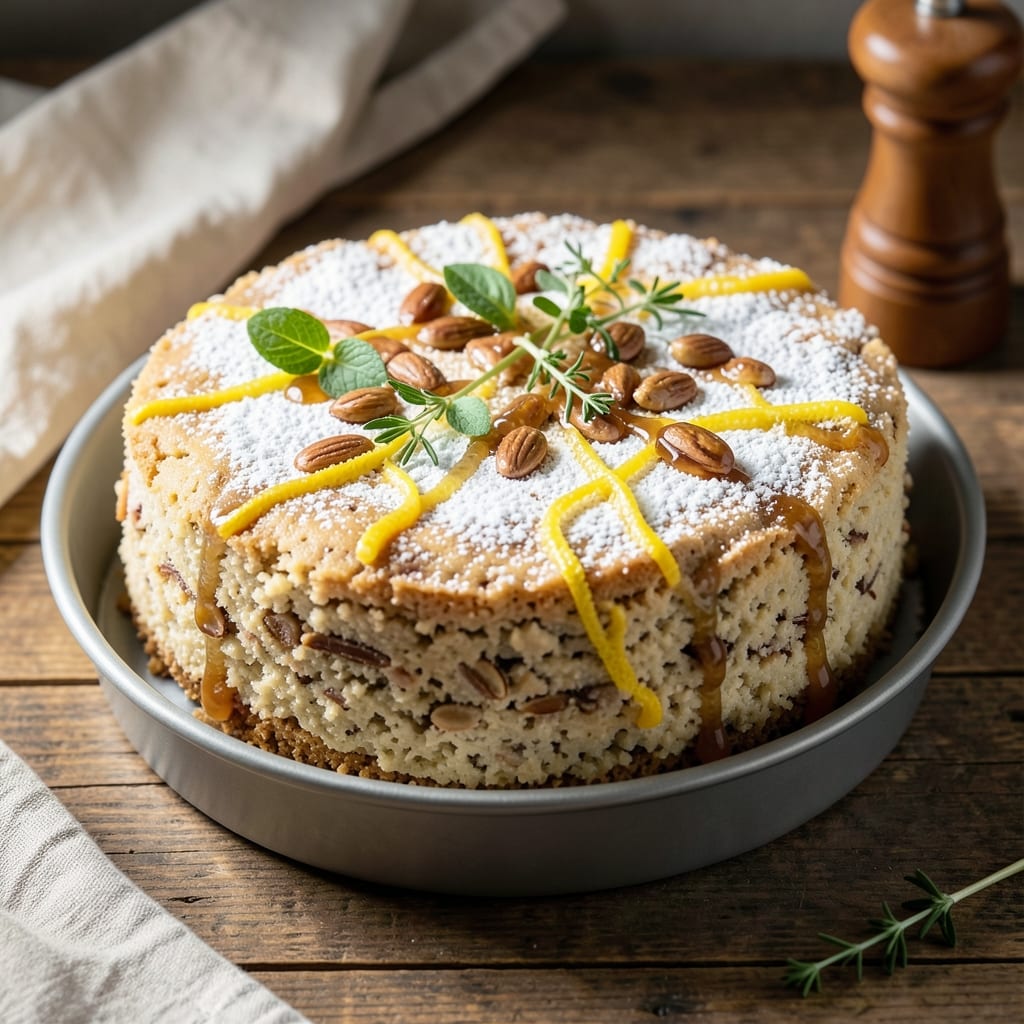
This almond polenta cake delivers a perfect balance of nutty crunch and tender, moist layers that vanish in every bite. The secret lies in combining finely ground polenta with almond flour to create a cake that's both sturdy enough to hold its shape and delicate enough to melt in your mouth. I developed this recipe after years of perfecting the texture—no dry crumbs or dense centers here.
The foundation starts with a simple yet effective batter that relies on vanilla extract and a touch of lemon zest for brightness. Polenta adds a subtle earthiness that complements the almond flavor without overpowering it, while a single layer of toasted almonds on top adds both texture and visual appeal. This cake bakes up golden brown with just the right crispness on the edges, ensuring every slice is a satisfying contrast of textures.
What makes this recipe truly special is its versatility—serve it plain with a dusting of powdered sugar for an elegant dessert, or pair it with berry compote for a burst of freshness. The moist crumb stays fresh for days, making it perfect for gatherings or meal prep. Whether you're a seasoned baker or just starting out, this almond polenta cake is designed to impress without requiring advanced techniques.
The result is a cake that's rich in flavor but light on sugar, making it a crowd-pleaser that won't leave anyone reaching for seconds. With just 30 minutes of active prep and 40 minutes in the oven, you'll have a showstopping dessert that feels like a restaurant-quality creation. Let's get baking!
Ingredients for almond polenta cake
These simple yet brilliant ingredients blend nutty depth with tender layers for a cake that's both elegant and effortless.
| Ingredient | Amount | Notes |
|---|---|---|
| Almond Flour 🥜 | 2 cups | Finely ground, unsweetened |
| Finely Ground Polenta 🌾 | 1 cup | Not instant, finely ground |
| All-Purpose Flour 🌾 | ½ cup | For structure and lift |
| Granulated Sugar 🍚 | 1 cup | Light brown sugar works too |
| Pure Vanilla Extract 🌿 | 1 tbsp | High-quality, pure vanilla |
| Lemon Zest 🍋 | 1 tbsp | Freshly grated lemon peel |
| Unsalted Butter 🧈 | ¾ cup | Cold, cubed for best texture |
| Large Eggs 🥚 | 2 whole | Room temperature preferred |
| Baking Powder 🌶️ | 1 tsp | Aluminum-free preferred |
| Salt 🧂 | ½ tsp | Fine sea salt preferred |
| Whole Milk 🥛 | ½ cup | Room temperature works best |
| Sliced Almonds 🥜 | ½ cup | Toasted until golden |
| Powdered Sugar 🍚 | ¼ cup | For dusting, optional garnish |
Almond flour is the star here—Bob's Red Mill has the most consistent grind. If you can't find finely ground polenta, pulse regular polenta in a food processor until it's almost like flour. The butter needs to be cold for that perfect crumb, so take it out of the fridge 15 minutes before mixing. Toasting the almonds? 350°F for 8-10 minutes until they're golden and fragrant—don't walk away or they'll burn. Fresh lemon zest adds that bright pop, so grab a Meyer lemon if you can find one—sweeter and more aromatic than regular lemons.
No almond flour? Almond butter blended until smooth works in a pinch, though texture will differ slightly. Substituting the polenta for cornmeal gives a different texture, but you'll lose that subtle earthiness. Short on butter? Coconut oil works for a neutral flavor, but it's not quite the same. The baking powder is crucial for lift—don't use baking soda unless you're adding an acid like buttermilk. For the milk, any kind works, but whole milk gives the best texture. If you're feeling fancy, infuse the milk with a cinnamon stick while it warms up for extra depth.
This cake keeps beautifully—3-4 days at room temperature in an airtight container, or up to 1 week in the fridge. For longer storage, wrap tightly in plastic and freeze for up to 3 months. The toasted almonds on top stay crunchy for days, but if you want extra crispness, toast fresh ones before serving. Slice and serve at room temperature for the best texture—it's worth the 15-minute wait if you're impatient to dig in.
Why You'll Love This Recipe
- No Mixer Needed: I swear by this recipe when my mixer’s on the fritz—just whisk, fold, and pour. The polenta gives it that perfect crumbly-yet-tender texture without a single beat of effort.
- Vanilla-Almond Magic: That first bite? Pure comfort in cake form. The almond flour adds a nutty richness, while the vanilla extract (don’t skimp!) makes it taste like a bakery’s secret.
- Weeknight & Brunch Hero: Serve it warm with a drizzle of honey for breakfast, or slice it chilled for dessert—no one will guess it’s the same cake. Honestly, I’ve even packed it for lunch.
- Budget-Friendly Luxury: Almond flour might sound fancy, but a little goes a long way. This recipe stretches ingredients perfectly, and the polenta keeps costs low while adding that restaurant-worthy texture.
Step-by-Step instructions for almond polenta cake
This cake delivers perfect texture—moist layers with nutty crunch—every single time.
Preheat and Prepare Your Pan
Preheat your oven to 350°F. Grease an 8-inch round cake pan or line it with parchment paper, then lightly dust with 0.5 cup all-purpose flour. Tap out any excess so it doesn't interfere with your cake's rise. I always use a round pan for even baking, but a square works too if you prefer.
While the oven heats, toast the 0.5 cup sliced almonds in a dry skillet over medium heat for 3-4 minutes until they're golden and fragrant. Watch them closely—they burn fast. Transfer to a small bowl and set aside to cool slightly. These toasted almonds will add that signature crunch to your cake's texture.
Mix Dry Ingredients for Perfect Texture
In a large mixing bowl, whisk together the 2 cups almond flour, 1 cup finely ground polenta, 1 cup granulated sugar, 1 tsp baking powder, and 0.5 tsp salt. The polenta adds that lovely grainy texture while keeping the cake moist. Use a whisk to break up any lumps in the almond flour—it's naturally clumpy.
In a separate small bowl, combine the 1 tbsp lemon zest with 1 tbsp pure vanilla extract. This bright citrus flavor cuts through the richness of the almonds beautifully. Set this aside until you're ready to add it to the wet ingredients. The lemon zest should be finely grated—no big chunks!
Cream Butter and Add Wet Ingredients
In the bowl of a stand mixer fitted with the paddle attachment, beat the 0.75 cup cold unsalted butter on medium speed until it's light and fluffy, about 2-3 minutes. The butter should look like it's nearly doubled in volume. This step is crucial for a tender cake—don't skip it!
Add the 2 whole large eggs, one at a time, mixing well after each addition. Then pour in the 0.5 cup whole milk and mix until just combined. With the mixer running on low speed, gradually add the dry ingredients from Step 2, mixing just until incorporated. Be careful not to overmix—you're looking for a thick, smooth batter with no flour streaks remaining.
Fold in Lemon-Vanilla and Toasted Almonds
Add the lemon-vanilla mixture from Step 2 to the batter and mix on low speed for 30 seconds until evenly distributed. The batter should be thick but pourable. Gently fold in the cooled toasted almonds using a silicone spatula—this preserves their crisp texture while distributing them evenly throughout the cake.
Pour the batter into your prepared pan and smooth the top with a spatula. Tap the pan gently on the counter a few times to remove any air bubbles. The batter should come about ¾ of the way up the pan—this cake won't rise dramatically, but it will have a nice domed top when baked.
Bake to Golden Perfection
Bake in the preheated oven for 40-45 minutes until a toothpick inserted in the center comes out clean. The edges should be golden brown, and the top should spring back when gently pressed. I like to check at the 35-minute mark—every oven runs slightly differently.
Let the cake cool in the pan for 10 minutes, then transfer it to a wire rack to cool completely. Once fully cooled, dust the top with the 0.25 cup powdered sugar for that classic cake finish. Serve slices warm or at room temperature—either way, the moist crumb and nutty crunch will impress everyone.
Pro Tips For Making Almond Polenta Cake
- Mix Dry Ingredients First: The almond flour and polenta can clump like a stubborn toddler if you add wet ingredients too soon. Whisk them together thoroughly—even the polenta—before folding in the wet mix. I learned this the hard way when my first batch turned out lumpy and dense.
- Bake Until Golden, Not Just Set: This cake’s texture hinges on the crust. Bake it until the edges are deep golden brown, not just pale. Overbaking dries it out, but stopping too soon leaves it raw-tasting. A toothpick should come out clean, but the top should still have a slight spring when pressed.
- Use Room-Temp Eggs: Cold eggs make the batter fight you. Let them sit out for 30 minutes before mixing—they’ll blend smoother and the cake will rise better. I used to crack them straight from the fridge, and the result was always a flatter, denser cake.
- Sift the Polenta: Fine polenta is still coarse enough to leave texture issues if not prepped right. Lightly sift it with the almond flour to break up any grit. This makes the cake’s crumb finer and the flavor more consistent—no one wants a mouthful of tiny polenta grains.
Troubleshooting great almond polenta cake
Dense or Gummy Texture
If your cake turns out dense or gummy, it’s likely from overmixing the batter or not creaming the butter properly. The key is to mix the dry ingredients just until combined—no flour streaks should remain. Also, ensure your butter is cold but not frozen when creaming it. If you overmix, the gluten develops too much, making the cake tough. Try mixing the wet and dry ingredients by hand with a spatula instead of a mixer for better control. 💡
Cracked Top or Uneven Rise
A cracked top or uneven rise usually means the oven temperature wasn’t consistent or the cake didn’t bake long enough. Preheat your oven for at least 15 minutes before baking to ensure even heat distribution. If your oven runs hot, reduce the temperature by 25°F and check the cake at 35 minutes. Avoid opening the oven door during baking, as temperature fluctuations can cause cracks. A water bath (placing the pan in a larger pan with hot water) can also help create a more even rise. ✨
Dry or Crumbly Cake
Dryness often happens when the cake is overbaked or the polenta wasn’t finely ground enough. To prevent this, use a food processor to grind the polenta until it’s almost like flour. Also, don’t overbake—remove the cake from the oven as soon as a toothpick comes out clean. If your cake turns out dry, try adding 1 tablespoon of milk or melted butter to the batter for extra moisture. For future bakes, cover the cake with foil after 30 minutes to slow the baking process. 🌾
Almonds Not Crunchy Enough
If your toasted almonds lost their crunch, they were likely overcooked or not cool enough when folded into the batter. Toast them in a dry skillet over medium heat for 3-4 minutes—watch closely to avoid burning. Let them cool completely before folding them into the batter, so they don’t release oils that make the cake greasy. For extra crunch, toast fresh almonds right before serving instead of baking them into the cake. 🥜
Cake Stuck to the Pan
If your cake sticks to the pan, it’s usually because the pan wasn’t properly greased or the batter wasn’t smooth enough. Always grease your pan thoroughly with butter or oil and dust it with flour. Tap out any excess flour so it doesn’t interfere with the cake’s texture. For extra insurance, line the pan with parchment paper cut to fit the bottom. If the cake still sticks, run a knife around the edges while it’s still warm to loosen it before transferring to a wire rack. 🧈
Nutrition facts
Frequently asked questions
Can I make this almond polenta cake gluten-free?
Yes! Simply replace the 0.5 cup all-purpose flour with a 1:1 gluten-free baking flour blend. For best results, use a blend with xanthan gum included to maintain structure. The polenta and almond flour already make this naturally lower in gluten, so the texture will still be excellent. Just ensure your baking powder is gluten-free too.
How do I store leftovers to keep them fresh?
Keep your cake in an airtight container at room temperature for 3-4 days, or refrigerate for up to 1 week if you're prepping ahead. For longer storage, wrap tightly in plastic and freeze for up to 3 months. The toasted almonds stay crunchy for days, but if you want extra crispness, toast fresh ones before serving. Always let slices come to room temperature before eating for the best texture.
What's the best way to serve this cake?
This cake is delicious plain with a dusting of powdered sugar, but try these variations: pair with warm berry compote for a fruity contrast, drizzle with honey-lemon glaze, or serve with whipped cream and fresh raspberries. For a savory twist, add a sprinkle of flaky sea salt to enhance the almond flavor. The moist crumb works beautifully with coffee or tea too.
Can I substitute almond flour with other nut flours?
You can try hazelnut or cashew flour in a 1:1 ratio, but the flavor will change significantly. Hazelnut adds a richer, earthier taste, while cashew flour makes the cake slightly sweeter. For texture, almond flour provides the best balance of crumb and crunch. If you're using a different nut flour, toast it first to enhance its natural oils and flavor.
Why does my cake have a raw center even after baking?
This usually happens when the oven temperature isn't hot enough or the cake isn't baked long enough. Always preheat your oven for 15 minutes before baking, and use an oven thermometer to confirm it's at 350°F. Check for doneness at 35 minutes—the center should spring back when gently pressed. If it's still raw, bake for 5-10 more minutes until a toothpick comes out clean. Avoid overcrowding your oven, as this can affect heat distribution.