
Desserts
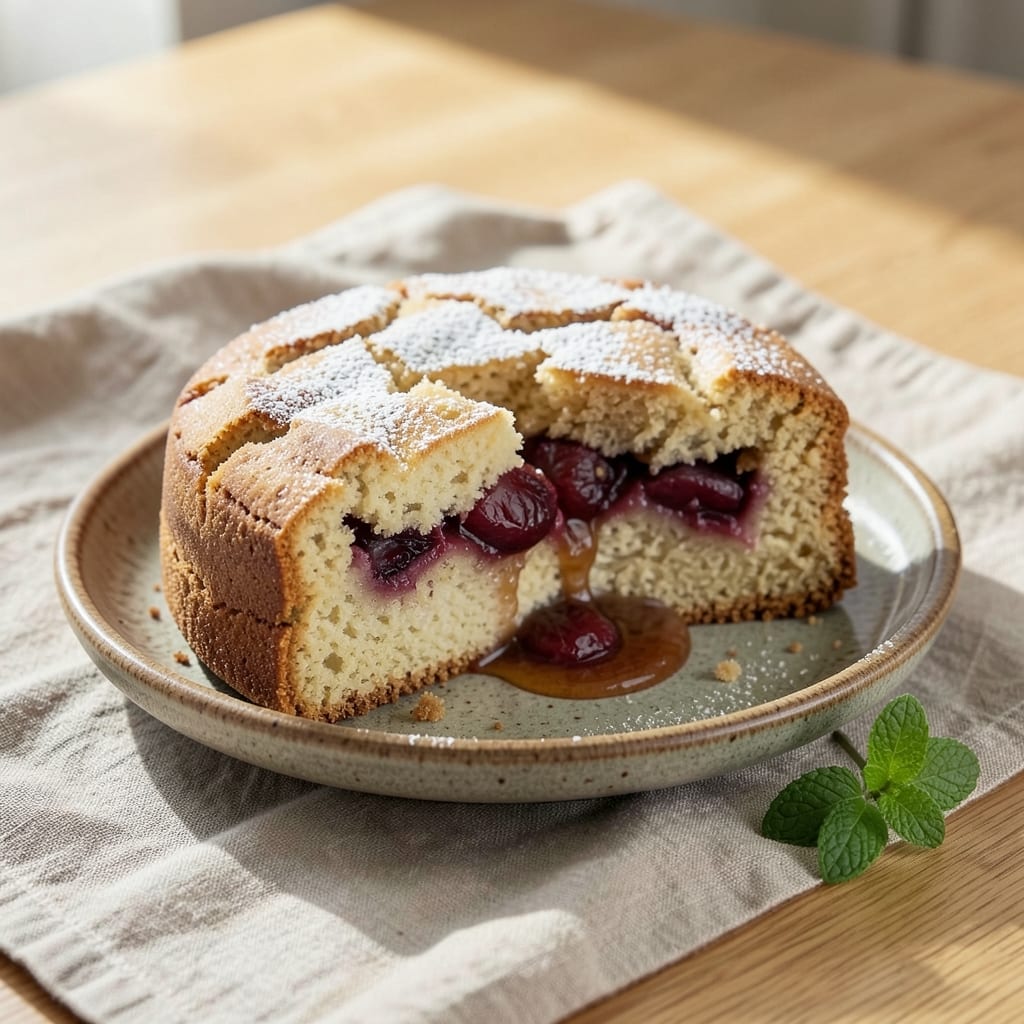
This almond flour plum cake delivers the perfect balance of nutty richness and sweet-tart plum flavor in every bite. The secret lies in using almond flour for a moist, tender crumb that pairs beautifully with homemade plum jam filling—no gluten, no guilt, just pure indulgence. I've perfected this recipe over years of baking, ensuring the layers stay perfectly balanced and the filling remains vibrant.
The cake's texture is what sets it apart—almond flour creates a delicate yet sturdy structure that holds up to the jam without becoming soggy. You'll start with a simple batter of almond flour, eggs, and a touch of sweetener, then layer it with homemade plum jam for that classic European café vibe. The result? A cake that's elegant enough for dessert menus but easy enough for a weekend treat.
What makes this recipe truly special is how the flavors come together: the nutty warmth of almond flour complements the fruity brightness of the plums, while a light citrus glaze ties everything into a cohesive, restaurant-quality dessert. The best part? It bakes in just 45 minutes and requires minimal effort—ideal for impressing guests without spending hours in the kitchen.
Whether you're adapting it for gluten-free diets or simply craving a lighter cake option, this recipe delivers on both flavor and texture. The plum filling can be made ahead, and the cake keeps beautifully for up to 3 days—perfect for meal prep or gifting. Let's get baking!
Ingredients for almond flour plum cake
Almond flour, eggs, and plums—just three core ingredients transform into restaurant-worthy cake magic.
| Ingredient | Amount | Notes |
|---|---|---|
| Superfine Almond Flour 🌰 | 2 ½ cups | Blanched for smoother texture |
| Large Eggs 🥚 | 4 whole | Room temperature for even mixing |
| Granulated Sugar 🍚 | 1 cup | Coconut sugar works too |
| Unsalted Butter 🧈 | 1 cup | Cold, cubed for best texture |
| Vanilla Extract 🌿 | 1 tbsp | Pure Madagascar bourbon preferred |
| Baking Powder 🍞 | 1 tsp | Aluminum-free for best rise |
| Salt 🧂 | ½ tsp | Fine sea salt preferred |
| Homemade Plum Jam 🍑 | 1 ½ cups | Fresh plums, no added sugar |
| Lemon Zest 🍋 | 1 tbsp | From organic lemon |
| Powdered Sugar 🍚 | ½ cup | For citrus glaze |
| Fresh Plums 🍑 | 2 cups | Pitted, sliced for jam (optional) |
| Lemon Juice 🍋 | 2 tbsp | Freshly squeezed |
The almond flour is everything here—Bob's Red Mill or Anthony's Goods are my go-tos for that ultra-fine texture. Superfine matters because it blends smoother and creates that tender crumb. Check the label—some brands call it almond meal, which is coarser. For the plums, farmers market varieties like Santa Rosa or Black Diamond are sweeter and more flavorful than grocery store plums. If you can't find them, frozen plums work too—just thaw and drain them well. The butter? European-style like Plugrá has higher fat content, which gives the cake extra richness.
No almond flour? Oat flour or coconut flour can substitute, but the texture will differ—oat flour needs extra eggs, coconut flour requires more liquid. Short on plums? Apricot or peach jam works in a pinch, though plum's tartness is key. The vanilla extract is non-negotiable—imitation vanilla lacks that depth. For the glaze, if you're avoiding powdered sugar, melted white chocolate drizzle adds a gorgeous contrast. Pro tip: Toast the almond flour for 5 minutes at 350°F before mixing—it deepens the nutty flavor and removes any raw taste.
This cake keeps beautifully for 3 days at room temperature, wrapped tightly in plastic. For longer storage, freeze the layers separately—assemble when ready to serve. The jam filling can be made up to 1 week ahead and stored in the fridge. If you're prepping for a party, bake the cake layers 1 day ahead and store them in airtight containers. The glaze should be added fresh, though—it's what gives that professional café finish. And trust me, leftovers taste even better the next day—the flavors meld into pure perfection.
Why You'll Love This Recipe
- No Mixing Madness: I swear by this recipe because it’s literally three bowls and a whisk—no stand mixer, no sifting, no stress. The almond flour just folds in like butter (or rather, like the melted butter you’re already creaming with sugar), and the eggs come together smoother than my usual cake attempts.
- Plum-Perfect Pairing: That burst of juicy plums against the buttery almond crust? It’s like dessert hugs you. The vanilla deepens the flavor without overpowering, and the sugar caramelizes just enough to make every bite feel like a little reward—no weird aftertaste, just pure satisfaction.
- Weekday Wonder: I make this for coffee breaks, last-minute gifts (wrap it in parchment, tie a ribbon), or when I need something that doesn’t scream “I spent all day baking.” Slice it thin, and it’s a snack; serve it whole, and it’s a showstopper. Honestly, it’s my go-to for any day that needs a little elegance without the fuss.
- Leftovers That Don’t Suck: Unlike most cakes, this one actually improves overnight—the almond flour keeps it moist, and the plums stay juicy. I’ve reheated slices in the toaster for breakfast (yes, really) and packed them in lunches without a single dry crumb. Plus, it freezes like a dream, so you’re never stuck with a sad, stale cake.
Step-by-step instructions for almond flour plum cake
This cake delivers perfect texture and vibrant flavor—moist crumb meets jammy plum filling.
Prepare the Plum Jam Filling
Combine the 2 cups of fresh plums with the 2 tablespoons of lemon juice in a small saucepan. Cook over medium heat for 10-12 minutes until the plums soften and release their juices. Mash slightly with a fork to create a chunky consistency. Remove from heat and stir in the 1 tablespoon of lemon zest. Let this mixture cool completely before using—this prevents the cake from becoming soggy.
While the filling cools, prepare your 1.5 cups of homemade plum jam by warming it gently in a small saucepan for 1 minute to make it easier to spread. The jam should be smooth but not runny. This warm jam will create beautiful pockets of flavor throughout the cake layers.
Cream Butter and Sugar
In a large mixing bowl, combine the 1 cup of unsalted butter (cut into cubes) with the 1 cup of granulated sugar. Beat with an electric mixer on medium speed for 3-4 minutes until light and fluffy. You'll see the mixture nearly double in volume and become pale in color. This step is crucial for creating a tender cake—don't rush it.
Add the 4 whole large eggs one at a time, mixing well after each addition. After the last egg is incorporated, add the 1 tablespoon of vanilla extract and mix for an additional 30 seconds. The mixture should be smooth and slightly thickened. This is your base batter that will give the cake its signature moist texture.
Combine Dry Ingredients
In a separate bowl, whisk together the 2.5 cups of superfine almond flour, 1 teaspoon of baking powder, and 0.5 teaspoon of salt. Sift this mixture directly into the butter mixture, then gently fold with a spatula until just combined. Be careful not to overmix—you should still see some flour streaks. This prevents the cake from becoming dense.
Add the cooled plum mixture (from Step 1) to the batter and fold gently to distribute evenly. The batter will be thick and slightly sticky. Here's the thing—this texture is perfect for creating a moist cake with beautiful jam pockets. Don't be tempted to add extra liquid as it will affect the cake's structure.
Assemble and Bake the Cake
Preheat your oven to 350°F. Grease an 8-inch round cake pan and line the bottom with parchment paper. Divide the batter evenly between two 4-inch round pans (or use one 8-inch pan if preferred). Spread about 1/3 cup of the warm plum jam evenly over the bottom of each cake layer.
Pour half of the batter over the jam in each pan, then add another 1/3 cup of jam. Top with the remaining batter. The jam will create pockets of flavor as the cake bakes. Bake for 25-30 minutes until a toothpick inserted in the center comes out clean. The cake should have a golden top but still look slightly underbaked in the center—it will set as it cools.
Glaze and Serve
While the cake is still warm, prepare the citrus glaze by whisking together the 0.5 cup of powdered sugar with 1-2 tablespoons of water (or lemon juice) until smooth. Drizzle this glaze evenly over the top of the cake while it's still in the pan. Let the cake cool completely in the pan for 15 minutes, then transfer to a wire rack to cool completely.
Slice into 8 even pieces and serve at room temperature. The cake should have a tender crumb with pockets of jam throughout. Each bite delivers the perfect balance of nutty almond flavor, sweet plum filling, and bright citrus notes. Store any leftovers covered at room temperature for up to 3 days.
Pro Tips For Making Almond Flour Plum Cake
- Whisk Eggs Cold: I learned this the hard way—whisking eggs straight from the fridge makes them clump like overcooked mashed potatoes. Take them out 10 minutes before mixing, then whisk them just until they hold soft peaks. That lightness is what keeps your almond flour cake from turning into a dense brick.
- Melt Butter Slow: Dumping softened butter into the almond flour mix and then baking? That’s how you end up with a cake that’s greasy but not golden. Melt the butter first, then let it cool just to room temperature before folding it in—warm enough to emulsify but cool enough to keep the structure intact.
- Don’t Overmix: Almond flour is finicky—once you start mixing it with eggs and sugar, stop after 20 seconds. Overworking it turns the batter into a gluey mess that bakes into a sad, flat cake. Fold in the plums gently, like you’re tucking in a baby, not punching the dough.
- Preheat Pan: Sounds weird, but it works: Place your cake pan in the oven while it’s preheating. Then, as soon as you pour in the batter, the heat shock helps the edges set faster, preventing a sunken center. (Yes, even if you’re impatient like me—just set a timer and wait the full 5 minutes.)
Troubleshooting this recipe
Dry Batter Issues
If your batter turns out too dry or crumbly, it’s likely from overmixing or using almond flour that’s too coarse. First, check your almond flour—Bob’s Red Mill superfine is my go-to for that silky texture. If you’re using a coarser meal, pulse it in a food processor for 10-15 seconds to refine it. Also, ensure your eggs are room temperature—cold eggs can make the batter stiff. For extra moisture, add 1 tablespoon of almond milk per layer, but don’t overdo it or the cake will sink. 🌰
Soggy Layers
Soggy cake layers usually mean the jam wasn’t cooled enough before assembly. Always let your plum filling sit at room temperature for at least 20 minutes after cooking—this prevents excess moisture from steaming the batter. Another trick? Spread a thin layer of apricot jam (instead of plum) between the cake layers—it’s less watery and adds a lovely floral note. If your cake still feels damp, chill it in the fridge for 1 hour before glazing to help it set properly. ❄️
Uneven Baking
Uneven baking often happens if the oven isn’t properly calibrated or the cake pans aren’t the same size. Always use identical pans (I recommend 4-inch round pans) and place them on the middle rack of your oven. If your oven runs hot, reduce the temperature to 340°F and add 5 extra minutes to the bake time. For extra insurance, rotate the pans halfway through baking. A toothpick test is key—insert it in the center and sides to check doneness. 🌡️
Cracked Top
Cracks usually appear when the cake bakes too quickly or the oven temperature fluctuates. To prevent this, avoid opening the oven door during the first 20 minutes of baking—those temperature drops cause cracks. If you notice the top browning too fast, loosely tent the cake with aluminum foil for the last 10 minutes. For a smoother finish, brush the top with a little almond milk before baking—it creates a thin barrier that prevents cracking. 🔥
Weak Structure
A cake with a weak structure often means the baking powder wasn’t fresh or the batter was overmixed. Always check your baking powder’s expiration date—aluminum-free brands like Clabber Girl work best. If you suspect your baking powder is old, test it by mixing 1 teaspoon with 3 tablespoons of hot water—it should foam immediately. Also, fold the dry ingredients into the wet just until combined—overmixing develops gluten, making the cake tough. For extra stability, chill the batter for 15 minutes before baking. 💪
Glaze Not Setting
If your glaze runs off the cake or doesn’t set, it’s likely too thin or the cake wasn’t cool enough. Let the cake cool completely in the pan for 15 minutes before glazing—this helps it absorb the glaze properly. For a thicker consistency, whisk the powdered sugar with lemon juice instead of water (the acid helps it set faster). If the glaze still feels too runny, dust the cake with an extra 1 tablespoon of powdered sugar after it’s fully cooled. ✨
Nutrition facts
Frequently asked questions
Can I make this cake without eggs?
Yes! For a vegan version, replace the 4 eggs with 4 tablespoons of aquafaba (chickpea brine) or 1/2 cup of unsweetened applesauce. Whisk the aquafaba until frothy and add it gradually to the batter. The texture will be slightly denser but still delicious. For extra moisture, reduce the almond flour to 2 cups instead of 2.5 cups.
How do I store leftovers?
Wrap the cake tightly in plastic wrap and store at room temperature for up to 3 days. For longer storage, freeze the layers separately (without the glaze) for up to 1 month. Thaw overnight in the fridge before reassembling. The glaze should be added fresh for the best texture.
Can I use canned plums instead of fresh?
Drain and rinse 2 cups of canned plums (with juice) and cook them with the lemon juice for 8-10 minutes until softened. The texture will be slightly softer, but the flavor remains rich. For extra brightness, add 1/2 teaspoon of lemon zest to the jam filling.
Why does my cake taste bitter?
Bitterness usually comes from overbaking or using too much almond flour. Bake only until a toothpick comes out clean (25-30 minutes), and avoid overmixing the batter. If the almond flour tastes raw, toast it for 5 minutes at 350°F before using. For balance, add 1/4 teaspoon of cinnamon to the batter—it enhances sweetness naturally.
Can I make this cake gluten-free?
This recipe is already gluten-free since it uses almond flour! For extra insurance, check your almond flour label to ensure no cross-contamination. The cake’s texture relies on almond flour, so avoid substituting with gluten-free all-purpose blends—they won’t create the same tender crumb.