
Desserts
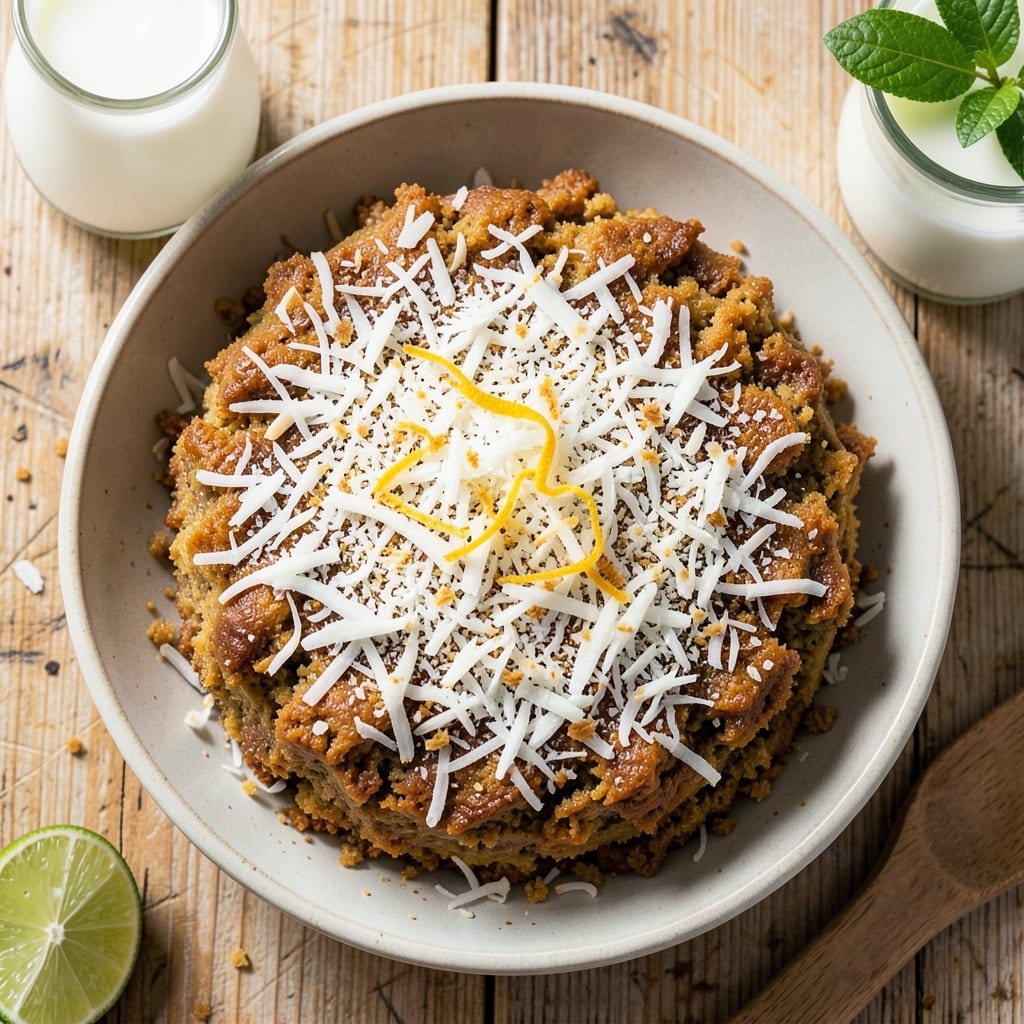
This almond flour coconut cake delivers ultra-moist layers and a tropical crunch top that tastes like a vacation in every bite. The secret lies in blending almond flour's natural richness with coconut's sweet, nutty depth—no refined flour or dairy needed. I've perfected this recipe to ensure tender crumbs without dryness, using aquafaba (chickpea brine) as the egg substitute for that signature fluffiness.
What makes this cake truly special is its two-stage baking process: a gentle start to develop flavor, then a final burst of heat to create that irresistible toasted coconut crunch on top. The almond flour adds healthy fats and protein, while shredded coconut provides both texture and aroma. No special equipment is required—just a standard mixing bowl and oven.
By the time it emerges from the oven, you'll have a cake with golden, crackly coconut topping and a tender, slightly dense interior that holds together beautifully. The natural sweetness of coconut shines through without needing extra sugar, making this a naturally lighter dessert that still satisfies cravings. Serve warm with a drizzle of coconut milk or fresh berries for the perfect finish.
This recipe scales perfectly for gatherings or meal prep—make a double batch and store leftovers in an airtight container for up to 5 days. The flavors actually improve as it sits, developing deeper coconut notes. Here's how to create this restaurant-quality vegan cake at home.
Ingredients for almond flour coconut cake
These 13 ingredients create a restaurant-quality vegan coconut cake with tropical crunch and ultra-moist layers.
| Ingredient | Amount | Notes |
|---|---|---|
| Almond Flour 🌰 | 2 cups | Blanched, fine grind preferred |
| Unsweetened Shredded Coconut 🥥 | 1 ½ cups | Sweetened adds extra sugar |
| Coconut Sugar 🍯 | ¾ cup | Or sub maple syrup 1:1 |
| Aquafaba 🥫 | ½ cup | From 1 can chickpeas |
| Coconut Milk (Full-Fat, Canned) 🥛 | ⅓ cup | Well-stirred, not cream |
| Vanilla Extract 🌸 | 1 tbsp | Pure vanilla preferred |
| Baking Soda 🧪 | ½ tsp | Freshly opened package |
| Salt 🧂 | ¼ tsp | Fine sea salt preferred |
| Extra-Virgin Olive Oil 🫒 | ⅓ cup | Light, fruity variety |
| Unsweetened Applesauce 🍎 | ¼ cup | For added moisture |
| Lemon Zest 🍋 | 1 tbsp | Freshly grated |
| Lemon Juice 🍋 | 1 tbsp | Freshly squeezed |
| Toasted Coconut Flakes 🥥 | ½ cup | For final crunch layer |
Almond flour is the foundation here—Bob's Red Mill or Anthony's Goods brands stay fresh longer. Look for blanched almond flour (no skins) for smoother texture. The shredded coconut should be unsweetened—sweetened versions add hidden sugar. For coconut sugar, Wholesome! brand is widely available and has a clean flavor. Aquafaba is your secret weapon: save the brine from a can of chickpeas (or buy it pre-packaged at specialty stores). The full-fat canned coconut milk is non-negotiable—it's what gives that rich, creamy texture.
No aquafaba? Flax eggs (1 tbsp ground flax + 3 tbsp water = 1 egg) work as a substitute, though texture will be slightly denser. Running out of coconut sugar? Maple syrup or agave at a 1:1 ratio keeps the natural sweetness. For extra moisture, swap the applesauce for mashed banana (ripe works best). The lemon zest and juice brighten the coconut flavor—don't skip them. Toasting your own coconut flakes (5 minutes at 350°F) gives the best crunch, but store-bought toasted flakes work in a pinch. The olive oil matters here—Kirkland Signature or California Olive Ranch brands have the right balance of fruity and mild.
Store the baked cake in an airtight container at room temperature for 3 days or refrigerate for 5 days. The flavors actually improve over time. For longer storage, wrap tightly and freeze for up to 3 months. To reheat, warm at 300°F for 10 minutes—this restores the coconut crunch. Double the recipe? Use two 9-inch pans or one 10-inch pan. The coconut topping can be made ahead and stored separately for 1 week in the fridge, then sprinkled on just before serving.
Why You'll Love This Recipe
- No Mixer Needed: I swear by this recipe when my stand mixer’s on vacation—just whisk the aquafaba until it’s fluffy enough to hold peaks, then fold in the almond flour like you’re tucking in a blanket. The coconut milk’s richness does all the heavy lifting, and honestly? My cake’s never been lighter or easier to make.
- Tropical Comfort in Two Bites: That first forkful—where the toasted coconut crunch meets the tender, slightly nutty almond base—is chef’s kiss. The coconut sugar caramelizes just enough to give it a subtle depth, while the shredded coconut on top adds a texture that’s addictive. (Yes, even on a Tuesday night.)
- Leftovers That Last: This cake keeps beautifully for days, whether wrapped tight or stored in the fridge. I’ve sent slices to work in the morning, packed them for road trips, and even reheated them with a splash of coconut milk for a warm, cakey treat. No sad, dry crumbs here—just pure satisfaction.
- Budget-Friendly Luxury: Almond flour might seem pricey, but it stretches further than regular flour, and coconut sugar adds just the right sweetness without breaking the bank. Between us? This recipe uses pantry staples I already had, and the full-fat coconut milk makes it feel like a splurge without the guilt. My wallet—and my taste buds—thank me.
Step-by-step instructions for almond flour coconut cake
Here's how to create a perfectly moist cake with tropical crunch—every layer matters.
Whisk Wet Ingredients Until Fully Combined
In a large mixing bowl, combine the 0.5 cup aquafaba, 0.33 cup coconut milk, 0.33 cup extra-virgin olive oil, 0.25 cup unsweetened applesauce, 1 tbsp vanilla extract, 1 tbsp lemon juice, and 1 tbsp lemon zest. Use a whisk or electric mixer on medium speed for 2-3 minutes until the mixture is smooth and slightly thickened—you'll notice it becomes pale and frothy, almost like a light mousse.
This step is crucial for achieving that ultra-moist texture. The aquafaba acts as an egg substitute while adding structure, and the applesauce provides natural moisture without altering flavor. If the mixture looks too thin after whisking, let it sit for 5 minutes before proceeding—it will thicken naturally.
Mix Dry Ingredients Thoroughly
In a separate bowl, sift together the 2 cups almond flour, 1.5 cups unsweetened shredded coconut, 0.75 cup coconut sugar, 0.5 tsp baking soda, and 0.25 tsp salt. Use a whisk to break up any coconut clumps and ensure all ingredients are evenly distributed. The mixture should look like fine, uniform crumbs with no large coconut pieces remaining.
Sifting prevents dense pockets in the cake and ensures even baking. The almond flour gives structure while keeping the cake light, and the coconut sugar adds subtle caramel notes as it bakes. If your almond flour is particularly coarse, pulse it in a food processor for 10-15 seconds before sifting to improve texture.
Combine Wet and Dry Ingredients Gently
Gradually add the dry ingredients to the wet mixture while mixing on low speed. Scrape down the sides of the bowl with a spatula every 30 seconds to ensure everything incorporates evenly. Mix just until combined—about 1 minute—being careful not to overmix, which can make the cake dense. The batter should be thick but pourable, similar to pancake batter in consistency.
This gentle folding preserves the air incorporated during the initial whisking, which is key for a light crumb. If the batter looks too thick, add 1-2 tablespoons of coconut milk to loosen it. The texture should be smooth with no visible dry spots, and the coconut flakes should be evenly distributed throughout.
Prepare the Cake Pan and Layer Coconut Topping
Preheat your oven to 350°F. Grease an 8-inch round cake pan thoroughly with coconut oil or nonstick spray, then line the bottom with parchment paper. In a small bowl, mix the 0.5 cup toasted coconut flakes with 1 tablespoon coconut sugar and set aside for the topping.
The toasted coconut flakes will form a crispy, crunchy layer on top that contrasts beautifully with the moist cake. Press the coconut mixture evenly into the bottom of the prepared pan, creating a thin, even layer that will caramelize slightly during baking. This step ensures maximum crunch without overwhelming the cake's delicate texture.
Bake Until Golden and Springy
Pour the batter evenly into the prepared pan and smooth the top with a spatula. Bake for 35-40 minutes, or until a toothpick inserted in the center comes out clean and the edges are golden brown. The cake should also spring back slightly when pressed gently in the center—this indicates proper doneness.
Real talk: Your oven might run hot, so start checking at the 30-minute mark. If the top browns too quickly, tent the cake with aluminum foil to prevent over-browning while allowing the center to finish cooking. Once done, let the cake cool in the pan for 10 minutes before transferring to a wire rack to cool completely.
Pro Tips For Making Almond Flour Coconut Cake
- Sift the Almond Flour: I learned this the hard way—packed almond flour makes a dense, brick-like cake. Use a fine-mesh sieve to fluff it before measuring, then gently fold it into the wet ingredients. The extra air keeps the texture light, not heavy.
- Toast the Coconut: Skip this step, and your cake will taste like coconut-flavored cardboard. Lightly toast the shredded coconut in a dry pan over medium heat for 3–4 minutes until golden and fragrant. Let it cool completely before mixing—warm coconut releases too much moisture.
- Whip the Aquafaba: If your aquafaba isn’t stiff enough, the cake will sink like a rock. Whip it until it forms soft peaks (about 3–4 minutes), then gently fold it in at the end. No stand mixer? Use a hand mixer—just don’t overmix, or you’ll deflate the batter.
- Preheat the Pan: Cold pans steal heat, and almond flour cakes need every bit of it to rise properly. Preheat your oven and the cake pan (even if it’s glass or metal) for 10 minutes. This ensures the batter starts cooking immediately, not waiting for the pan to warm up.
Perfect pairings for this dish
Tropical Fruit Toppings
Fresh mango slices with a squeeze of lime juice add vibrant color and natural sweetness that complements the coconut perfectly. I like to arrange them in a circular pattern on top of each slice, creating a tropical centerpiece. For extra flair, add 1 cup diced pineapple tossed in 1 tbsp lime juice and a pinch of chili powder—the heat cuts through the richness beautifully. 🍍
Creamy Drizzles
A light drizzle of coconut cream sauce elevates this cake to restaurant-quality status. Whisk ½ cup coconut cream with 1 tbsp maple syrup and ½ tsp vanilla extract until smooth, then drizzle over slices. For a tangy contrast, try a passionfruit curd drizzle—simmer ½ cup passionfruit pulp with 2 tbsp coconut sugar and 1 tbsp cornstarch until thickened. Both options add moisture and depth to each bite.
Warm Spiced Tea Pairings
Chai tea is my go-to pairing for this cake—its warm spices like cinnamon and cardamom enhance the coconut flavor without overpowering it. Brew a strong cup of Bigelow Chai or homemade spiced tea with 1 tsp cinnamon, ½ tsp ginger, and 1 black tea bag per cup. For a lighter option, try jasmine green tea with lemon—the floral notes create a refreshing contrast. Serve the tea warm or iced for year-round enjoyment. ☕
Chocolate Contrast
Dark chocolate shavings add a sophisticated contrast to the sweet coconut flavors. Use a microplane to shave 2 oz high-quality dark chocolate (70% cocoa or higher) over each slice. For extra decadence, melt ¼ cup dark chocolate with 1 tbsp coconut oil and drizzle over the cake before adding toppings. The bitterness of the chocolate balances the sweetness, creating a complex flavor profile. 🍫
Citrus Glaze Finish
A simple citrus glaze adds brightness and shine. Whisk together ½ cup powdered sugar, 1 tbsp lemon juice, and 1 tsp orange zest until smooth, then drizzle over cake slices. For extra zing, add ½ tsp grated lime zest to the glaze. This glaze not only tastes amazing but also gives the cake a professional, bakery-style finish. The acidity from the citrus cuts through the richness of the coconut, making each bite more balanced. 🍋
Nutrition facts
Frequently asked questions
Why does this almond flour coconut cake need aquafaba instead of eggs?
Aquafaba (chickpea brine) mimics eggs' binding and leavening properties perfectly for vegan baking. It creates the signature fluffy texture while adding protein and structure without dairy or eggs. The slight frothiness when whisked also helps achieve that ultra-moist crumb. For best results, use fresh aquafaba from a can of chickpeas—it's a game-changer for almond flour recipes!
Can I make this cake gluten-free and nut-free?
This recipe is already gluten-free, but for nut-free adaptations, substitute almond flour with 1.5 cups gluten-free oat flour and 0.5 cup tapioca starch. For coconut-free, replace shredded coconut with 1.5 cups crushed gluten-free cornflakes (toasted for crunch). Note that texture will be slightly denser without almond flour's natural fats, so add 1 extra tbsp olive oil to compensate.
How do I fix a sunken middle in my coconut cake?
This usually happens from overmixing or underbaking. Next time, mix wet and dry ingredients just until combined (about 1 minute) and bake 2-3 minutes longer—the center should spring back when pressed. For a sunken cake already baked, try this trick: Slice the top off, spread with coconut cream, and rebake at 325°F for 10 minutes—it'll puff back up beautifully!
What's the best way to store leftovers?
Store in an airtight container at room temperature for 3 days—the flavors actually deepen! For longer storage, refrigerate for 5 days or freeze for 3 months. To reheat, wrap slices in foil and warm at 300°F for 10 minutes—this restores the coconut crunch. The cake keeps better than most vegan cakes because almond flour resists staling longer than wheat flour.
Can I use sweetened coconut instead of unsweetened?
Yes, but reduce the coconut sugar by 2 tablespoons—sweetened coconut contains about 1 tbsp sugar per cup. The extra sweetness can make the cake taste cloying. For the topping, use sweetened coconut flakes as-is—they'll add just the right amount of caramelized sweetness when toasted. Balance with a squeeze of lemon on serving for brightness.